Mini exhibition
20 November–21 December 2025
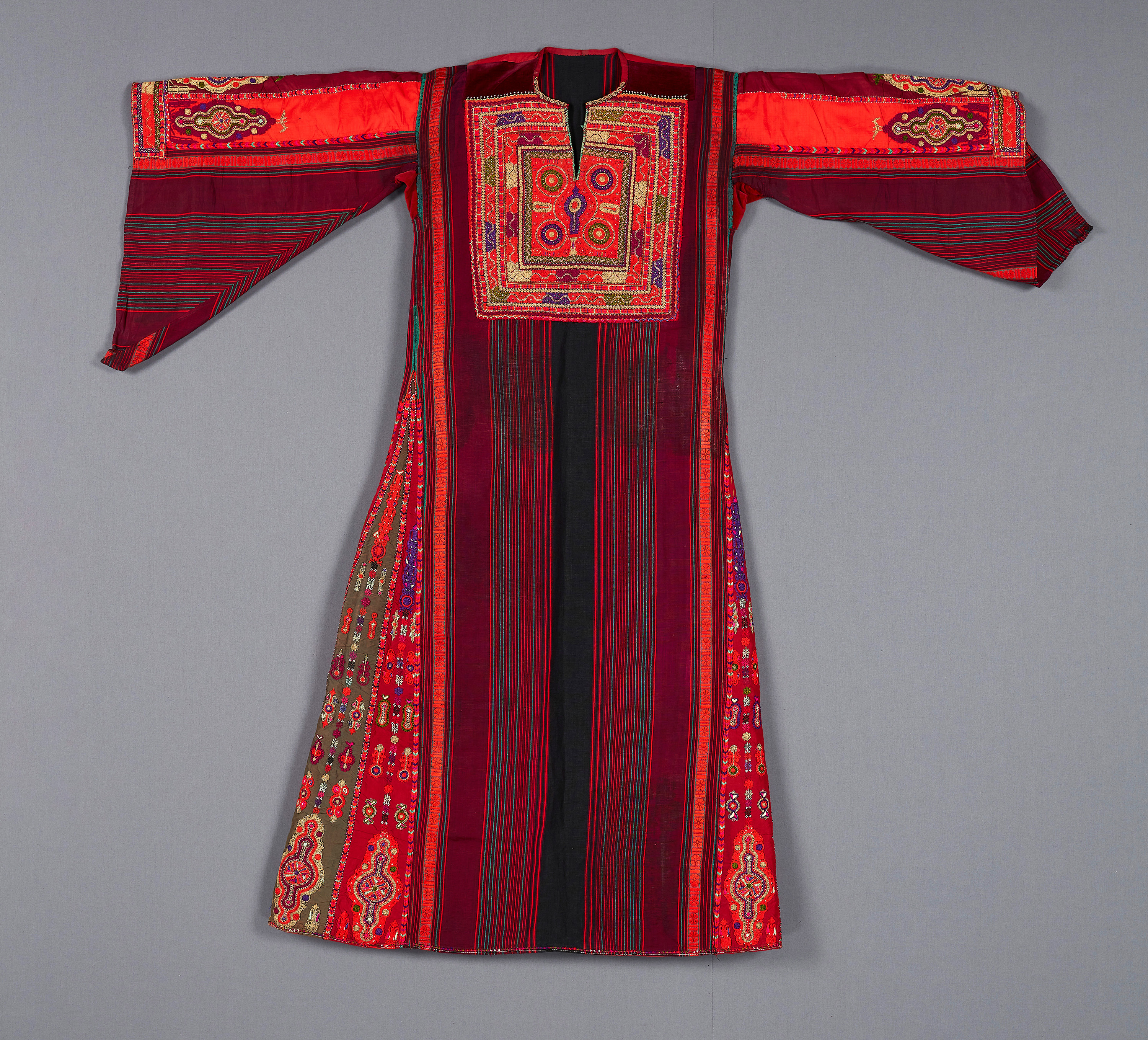
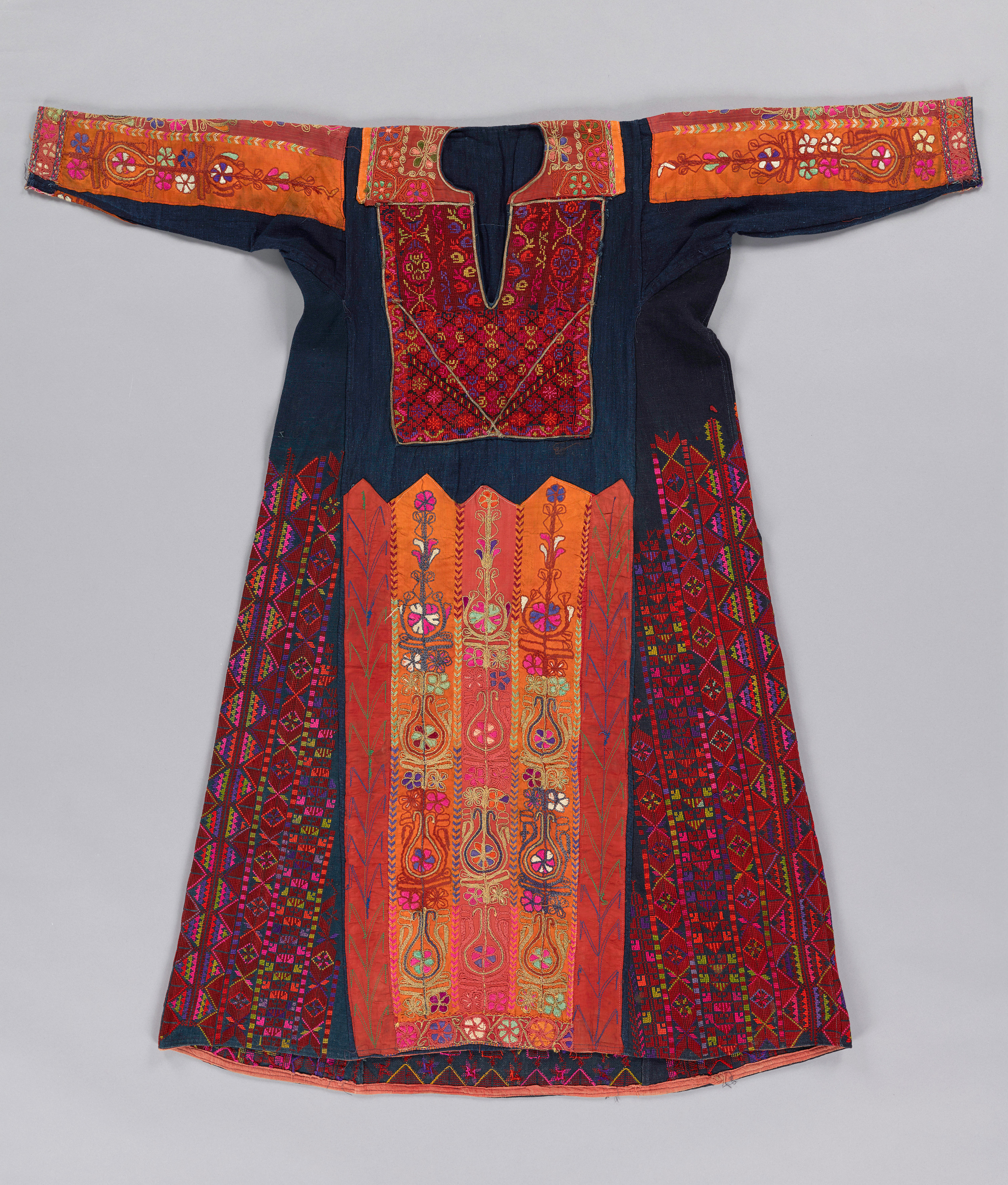
Embroidered dresses with accessories constitute an important part of Palestinian cultural heritage, especially in relation to the preservation of identity.
This mini exhibition describes how the interest in preserving and exhibiting embroided garments began. In 1936 the Palestine Folk Museum opened in Jerusalem. There, garments from Christian, Muslim and Jewish areas were researched and displayed.
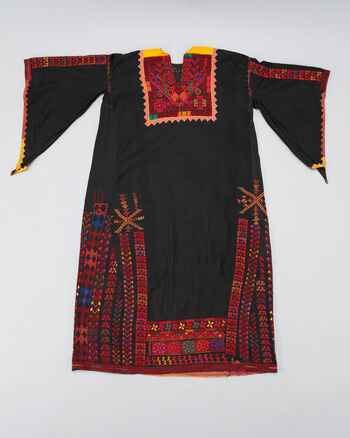
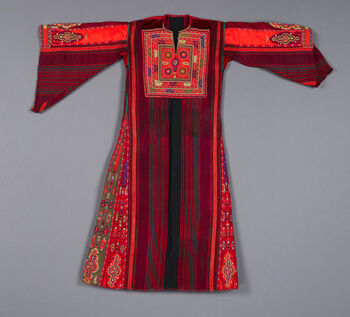
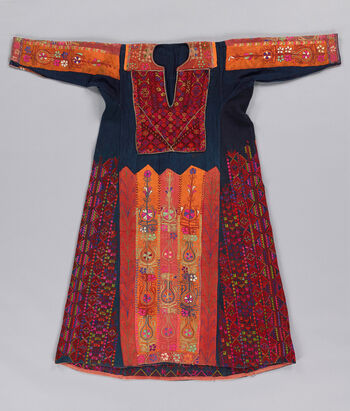
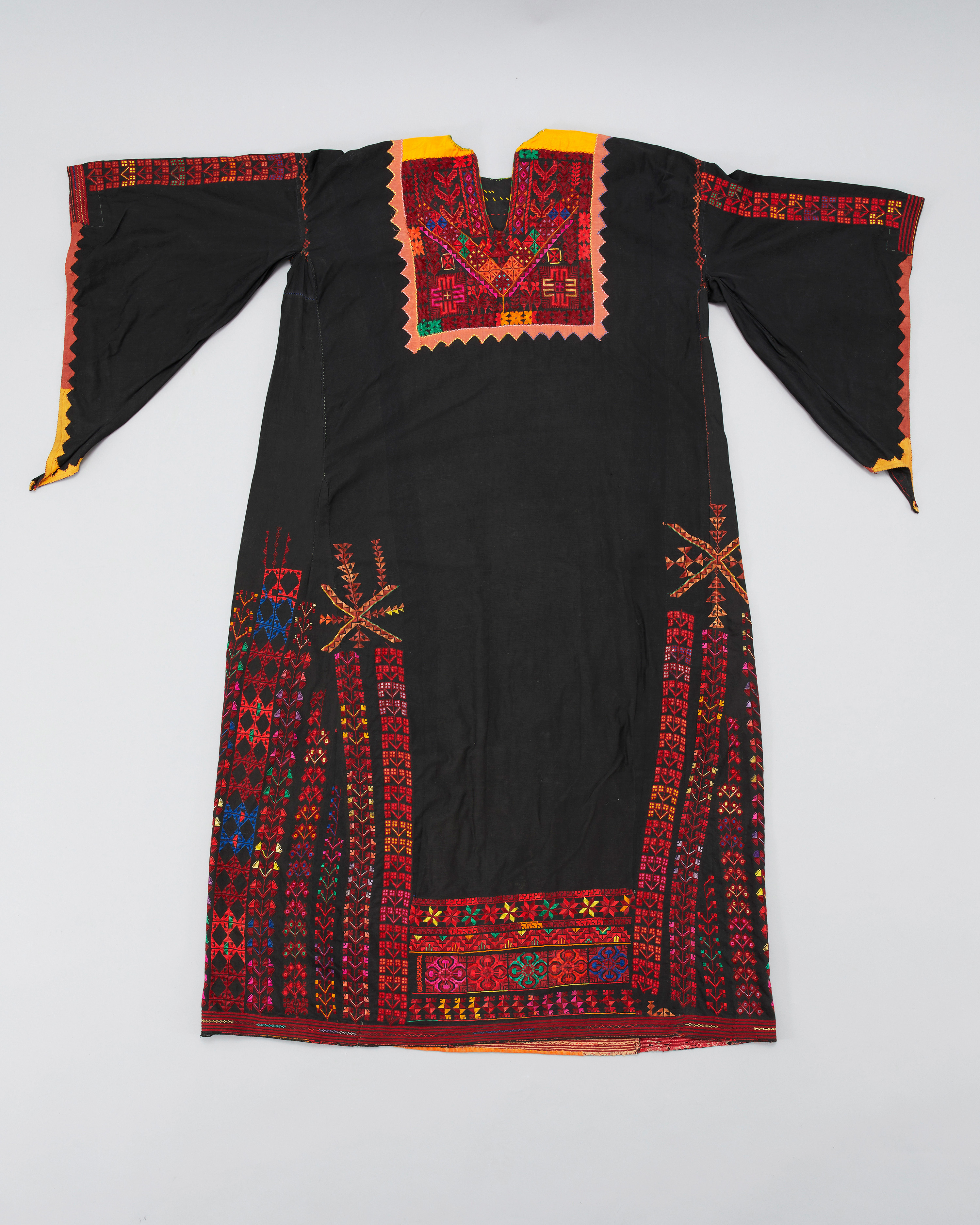
The exhibition features three embroidered Palestinian dresses from the museum’s Ethnographic Collection.
The exhibition was developed in collaboration with Toufoul Abou Hodeib, Professor of History at the University of Oslo.
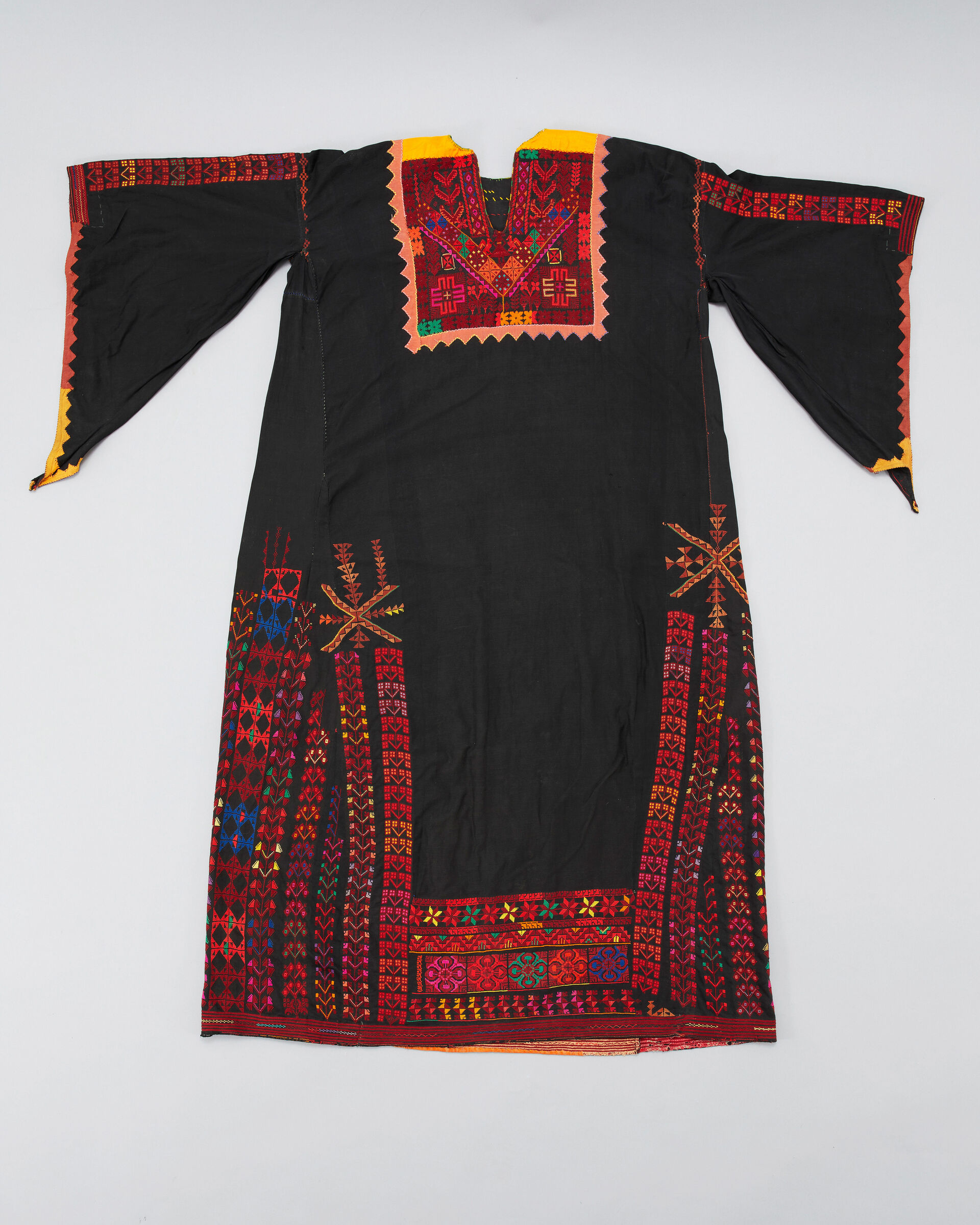
The dress showcases Bedouin embroidery from the Beer Sheva region. Embroidered dresses (Arabic: thawb, plural: athwab) and their accessories are integral to Palestinian cultural heritage View image in full size.
Photo: Ida Børsand/Museum of Cultural History, University of Oslo
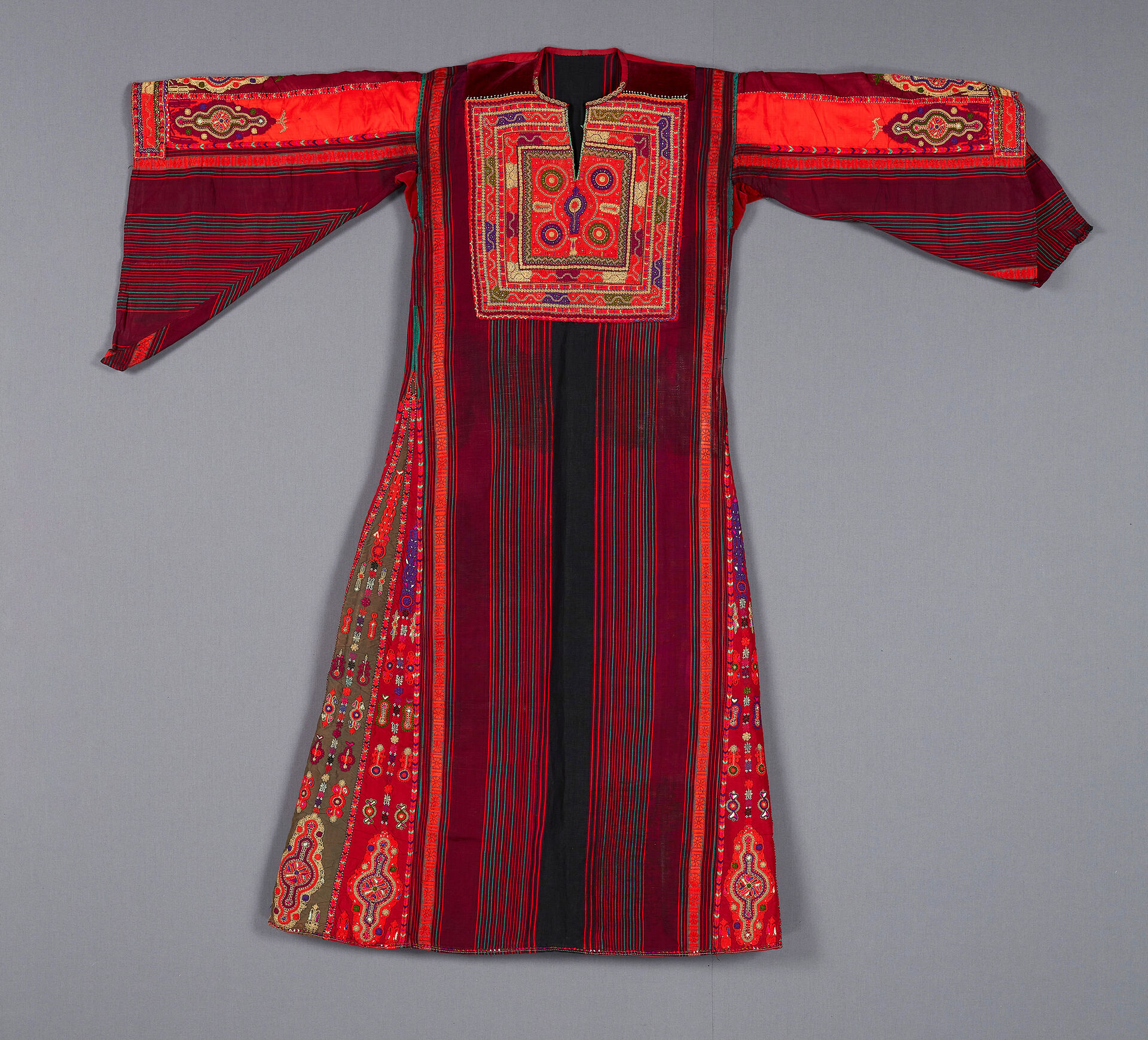
Wedding dress known as malak (Queen's dress). The dress is over 100 years old. View image in full size.
Photo: Alexis Pantos/Museum of Cultural History, University of Oslo
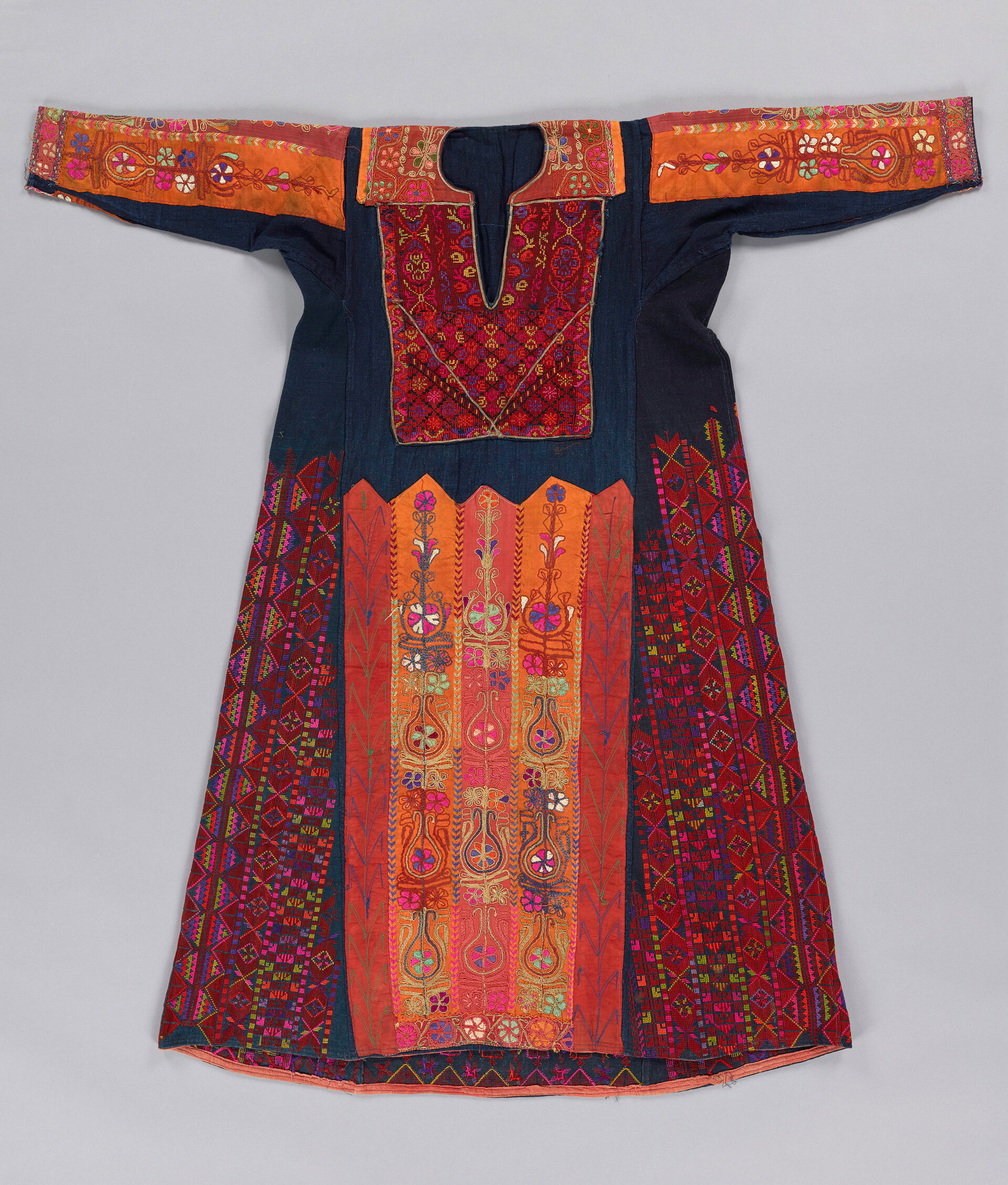
The dress was acquired in Palestine by Dr. Helene Pande when she worked as a doctor in a Palestinian refugee camp in the late 1960s. View image in full size.
Photo: Alexis Pantos/Museum of Cultural History, University of Oslo