Temporary student exhibition
5 March–6 April
Where Does It Come From?
A pilgrim’s sandal, a tiny sea monster and an Egyptian statuette – what do these things have in common, and how did they end up in a museum collection in Norway? The museum’s ethnographic collections contain around 60,000 objects from cultures around the world. Many were collected in a different time, and with methods that are today considered problematic. Colonialism and outdated views, as well as ethical dilemmas continue to shape today’s ethnographical exhibitions and collections. This affects how the collections are understood and displayed.
The Museum of Cultural History, of which the Historical Museum is a part, has a particular responsibility to manage them in an ethically responsible way and to invite questions about ownership, access and possible repatriation.
What Does It Say?
What can an object reveal about its culture of origin, and what does it tell us about its place in the museum? Is the interpretation of an object found in the eye of the beholder, or does the object carry an inherent story? Experience how the narratives presented in the exhibition shape your perception of the objects, and how your perception, in turn, shapes them.
What Do We Do With It?
For many, returning the objects may seem like the true reckoning with our colonial past. Yet the history of the museum’s collection shows that not everything was stolen, and the present reminds us that not everything can be returned. In this exhibition, you are invited to explore the future possibilities of ethnographic collections.
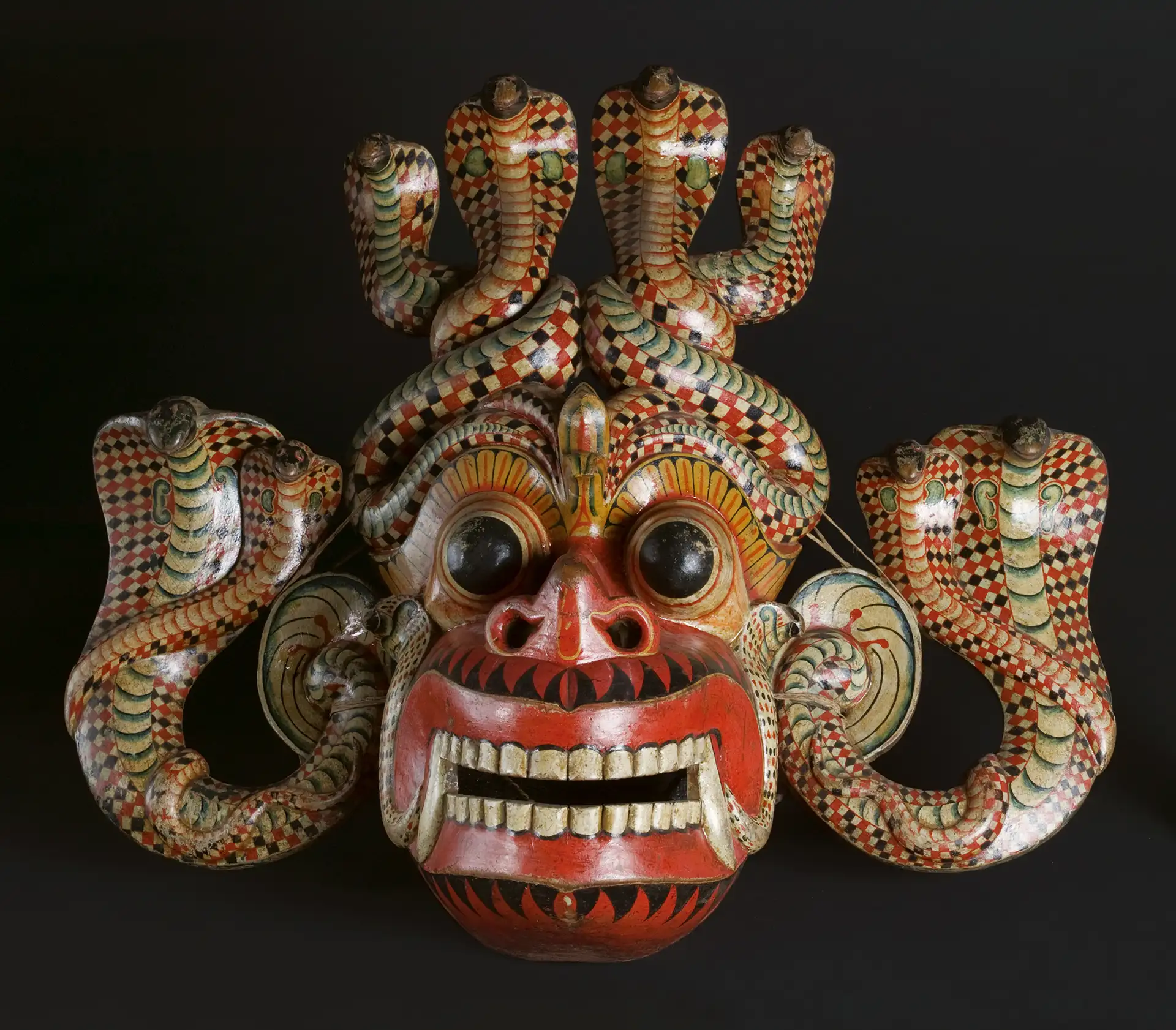
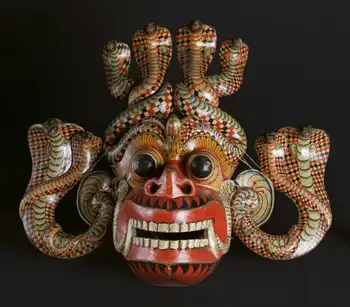
Demon masks such as this one from Sri Lanka were used in ritual dances to communicate with the dead. Such masks in Sri Lanka often show signs of continual use, in contrast to those found in Europe, which are typically preserved in their original condition.
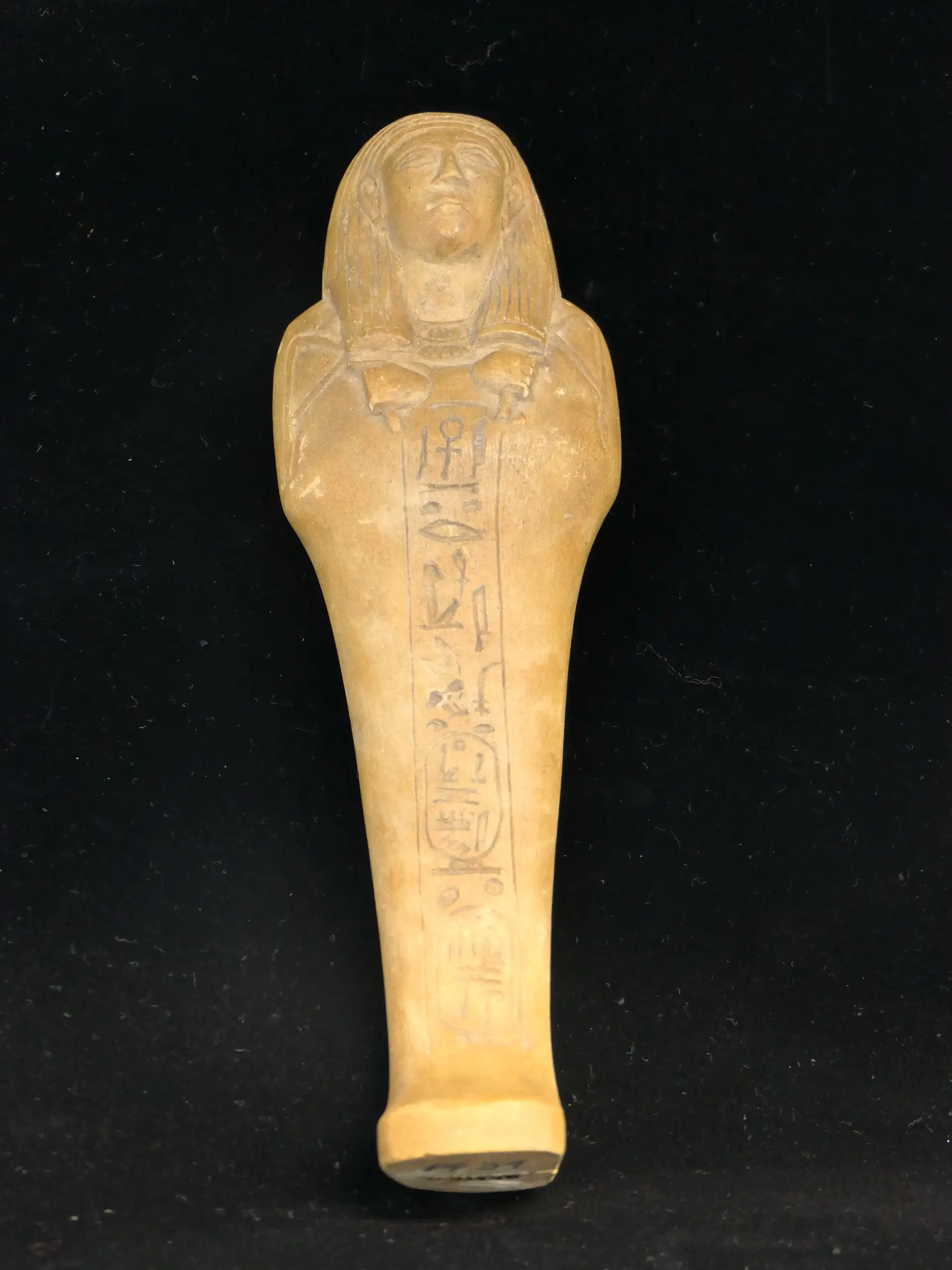
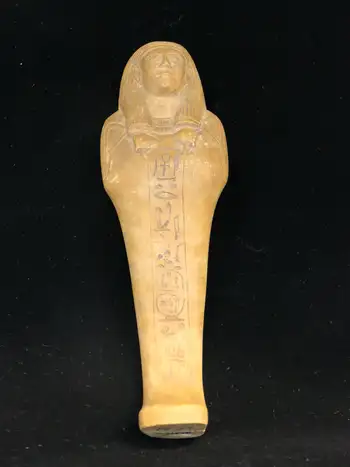
The collecting practices of past collectors have laid the foundations for a market in forgeries. This figure is a forgery of a so-called ushabti, an object typically found in Egyptian burial chambers.
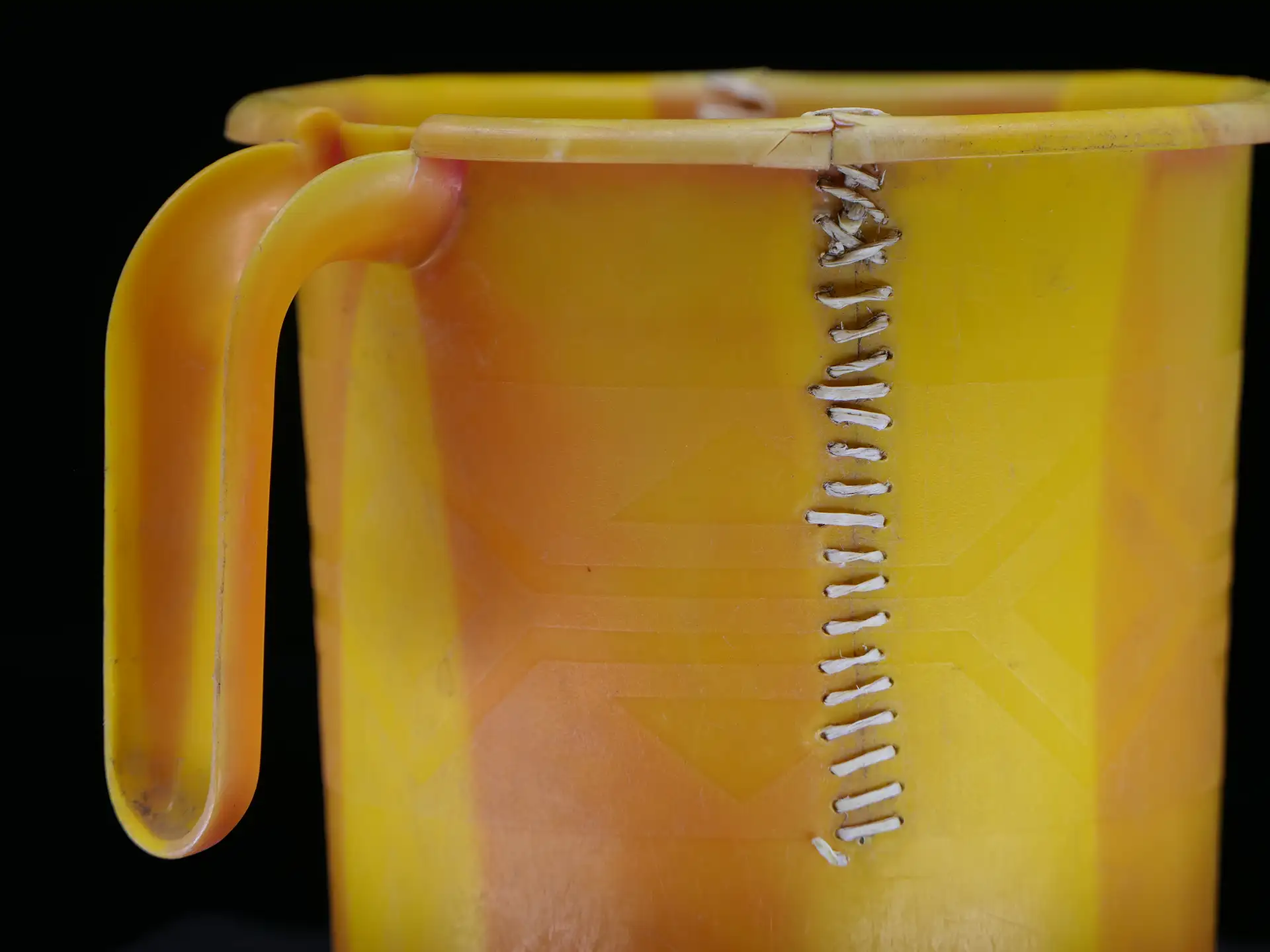
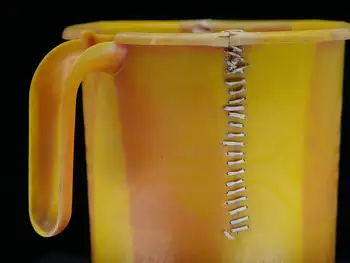
This cup from Mali is made of plastic. Plastic is frequently recycled and reused by local manufacturers in Mali and Senegal. Sometimes, creative solutions were employed to repurpose everyday objects, such as stitching together a broken plastic cup.
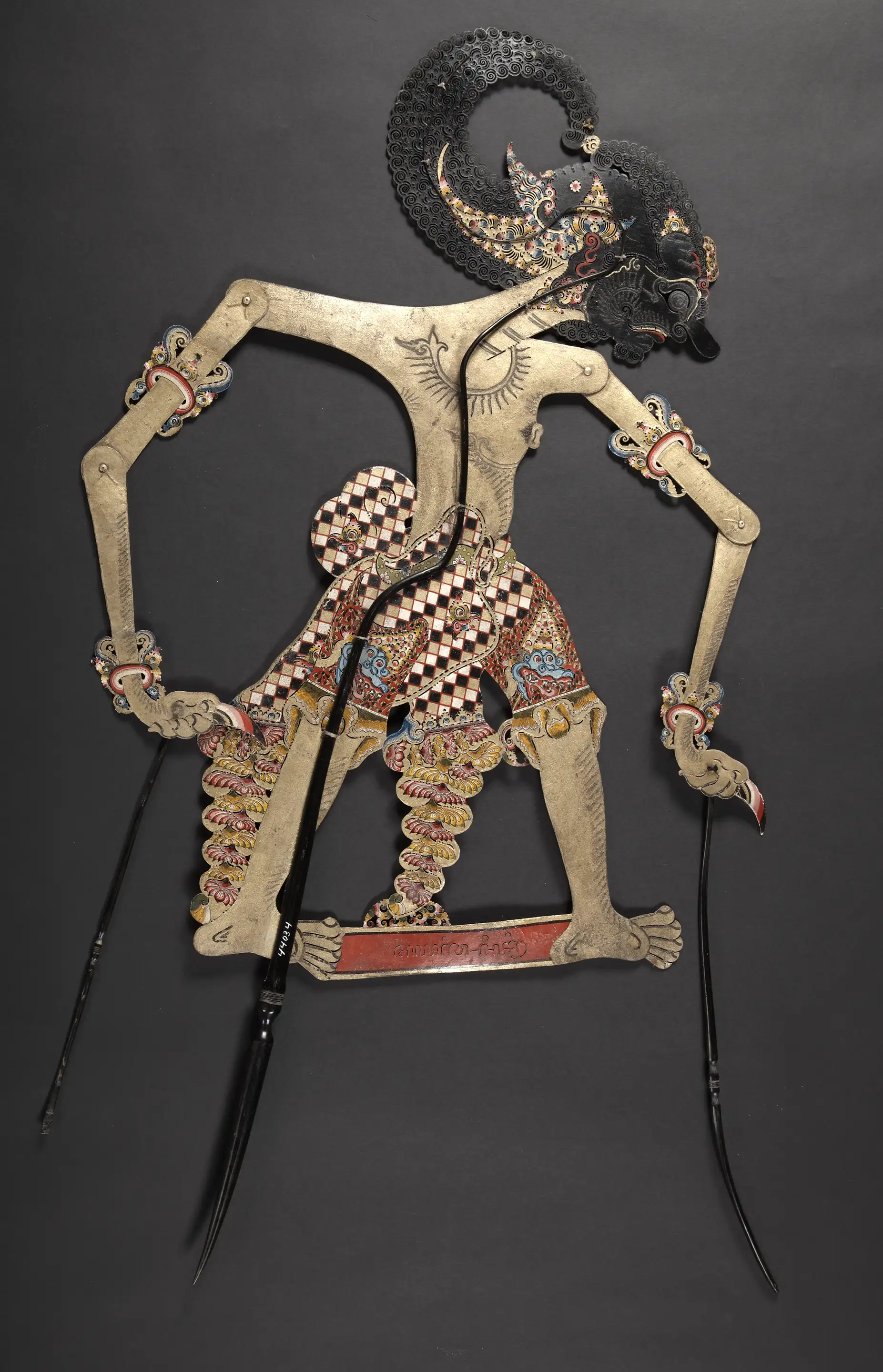
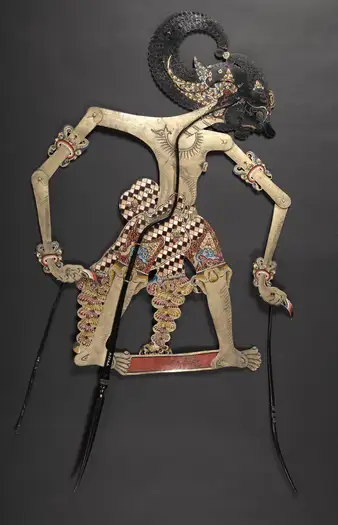
This shadow puppet – wayang – from Indonesia is intricately decorated on both sides. During performances, however, only men were allowed to see the puppet’s vibrant colours, while women and children saw only its shadow.
About the Student Exhibition
The exhibition is created by master’s students studying Cultural history, Museology and Heritage at the University of Oslo (only in Norwegian).












