Student exhibition
06.03.2025–30.03.2025
Is it the coordinates on a map? Is it the glacier carving out the valley? Or a flag in the ground? Whether we notice them or not: we shape places, and places shape us.
The exhibition explores and challenges our understanding of place through five different perspectives: Borderland, The Pit Stop, The Whale, The Place of Disruption, and Home
The Pit Stop
Pit stops are much needed break on long journeys. In this part of the exhibition, pit stops are the destination. Such rest areas have changed along with the needs of travellers. Join the journey of the pit stop.
Borderland
A border can be a fence, a lock, a law, a powerful amulet or a punishment. Borders protect, but they also exclude and create distance. Although borders provide security, they can also restrict freedom, affect identity and maintain power structures. What do we protect? Who do we keep out? How do we shape borders?
The Whale
The Norwegians were at the forefront of the industrialisation of whaling. Hunters travelled far in search of the whale's valuable oil. On the island of South Georgia in the Antarctic, 13,000 kilometres from Norway, whalers lived and worked in a world of whales. What can we learn from Norway's first oil age?
The Place of Disruption
100 years ago, Svalbard got its name. The archipelago is continuously shaped both by natural and human forces.
Climate change, industry and the global seed vault coexist here. How is Svalbard shaped by ecological and technological processes?
Home, sweet home
Home, sweet home - for whom? Everyone has their own idea of what home is and what it consists of. A defined area, an open landscape, a world of one's own. Some are invited in, others are excluded. Who has the power to define what home is? Can you be home when travelling? And do our things have a home?
About the exhibition
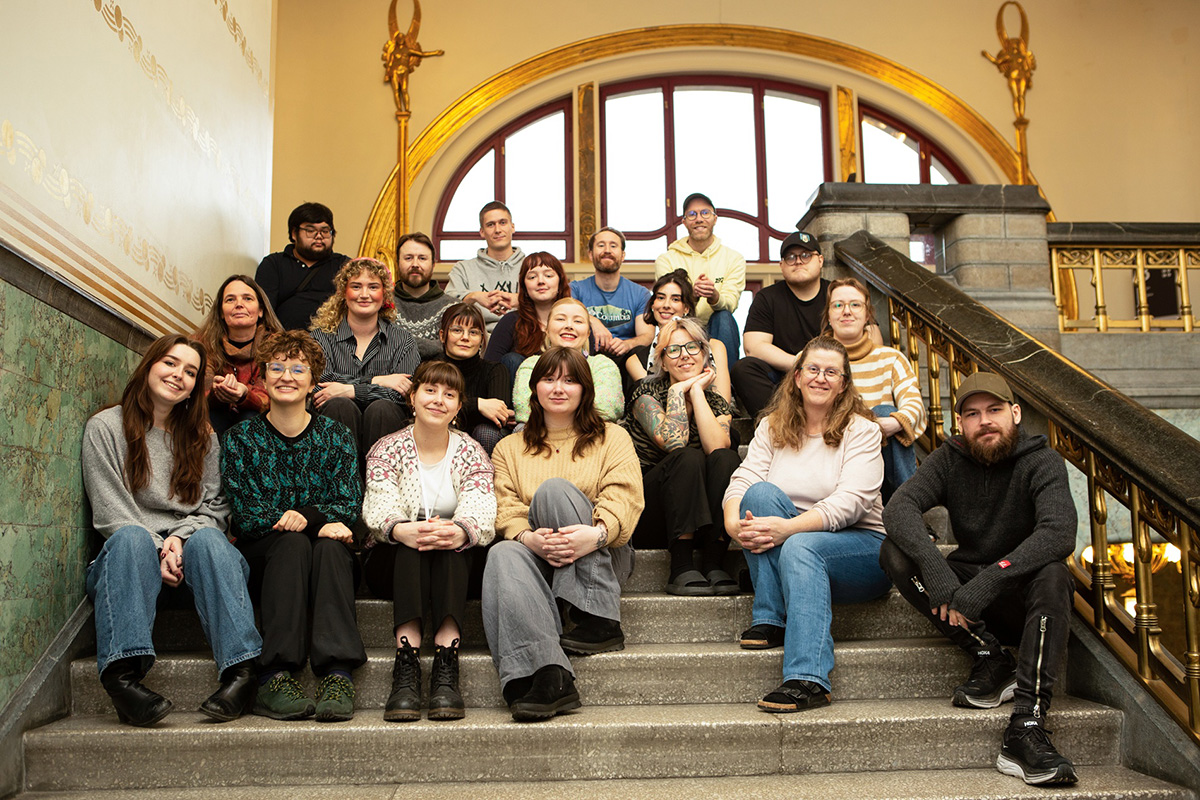
The exhibition "Places" was created by master students in Museology and Cultural Heritage Studies at the University of Oslo. They have based their work on the research project "The Afterlife of Natural History,". The project explores the intersection between nature and culture, and how natural history can help us understand how people change in relation to and with nature.