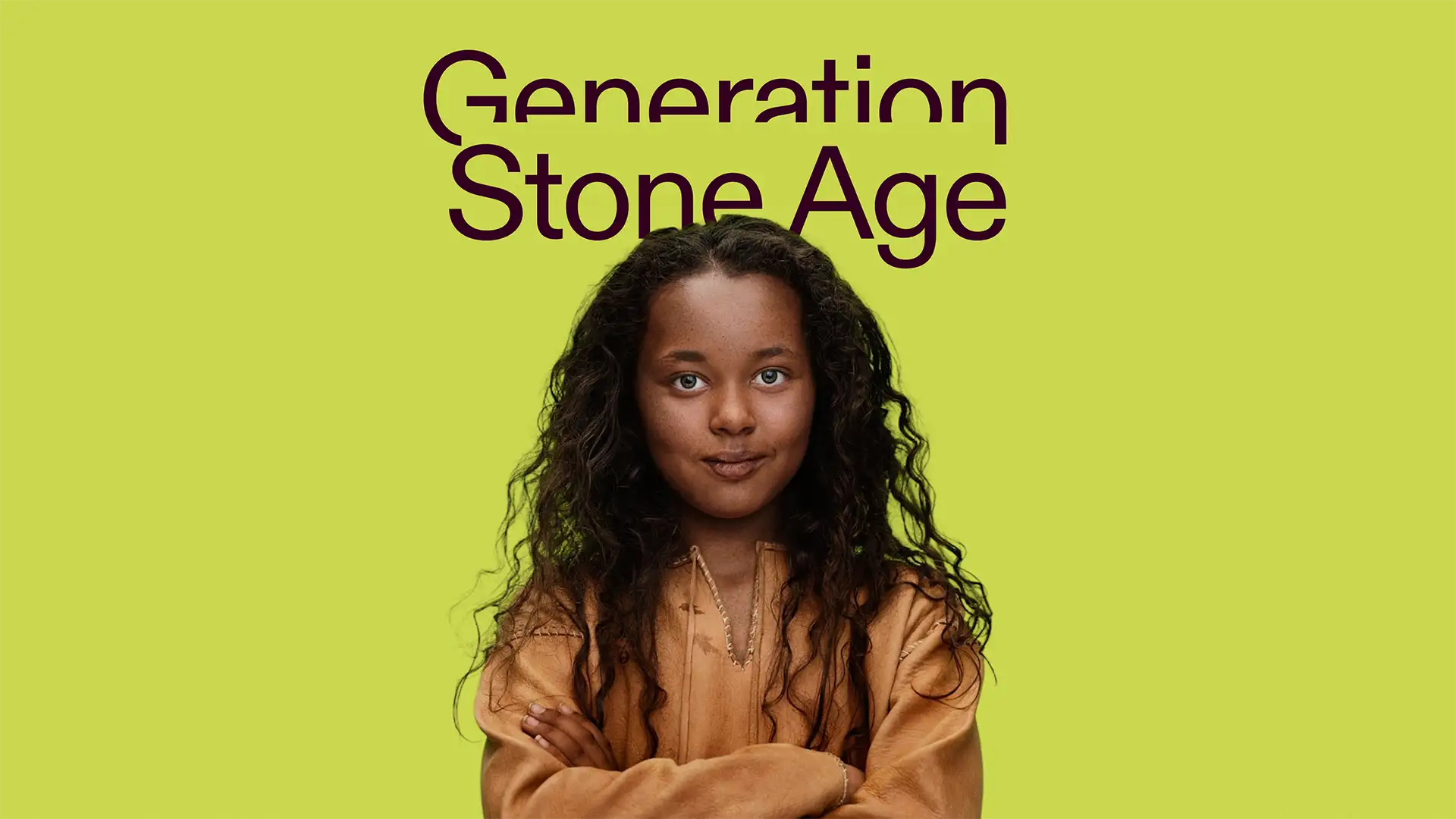
Exhibition
Opened 11 September 2026
Norway was once covered with ice. As the ice melted, islands, beaches, fjords and valleys appeared – and people followed.
People in the Stone Age were similar to us; they had the same physical attributes and were intelligent. But they used different tools and had different ideas about life and the world.
Over 300 Stone Age generations and 8000 years, nature, climate and landscape changed dramatically. New plants and animals arrived, and people found new ways to get food, build homes and organise their lives.
An exhibition in three lives
Generation Stone Age centres on three main characters: Sol, Svane and Rav. Their stories are based on archaeological finds from the Stone Age. Objects recovered from bogs, the seabed and melting snowfields give insight into beliefs, rituals and everyday life. Here you can follow how culture and society develop, from nomadic hunters and gatherers to more settled farmers.
Sol is the name given to Norway’s oldest known skeleton, dating from around 7500 BC. She was found in Søgne in Agder County in 1994. She was a woman who lived to be 35–40 years old and was about 155 cm tall. What does her DNA tell us about what she ate, what she looked like, and how people migrated to Norway after the Ice Age? Sol’s skull is on display in the exhibition.
You will also see a varied selection of objects and tools used for fishing and hunting: beautiful arrowheads, hatches and harpoons. Many are so finely made that they reveal people who didn’t only need a practical tool – but a beautiful one. Visitors can touch some of the objects.
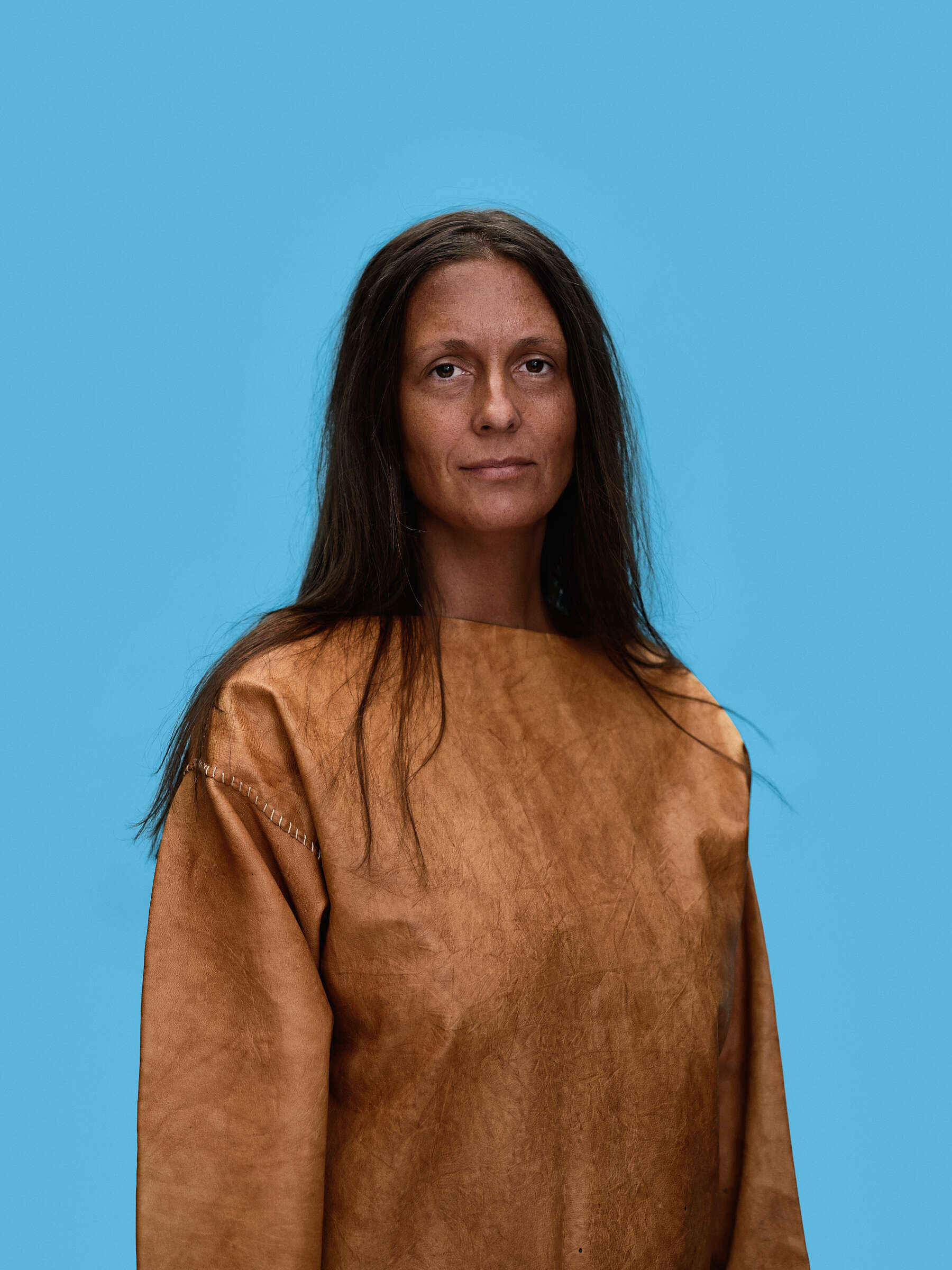
Sol is based on Norway’s oldest skeleton, from around 7500 BC, found in Søgne in Agder, Southern Norway. The depiction of the portraits is based on research on Stone Age skeletons from Scandinavia. Read about how we created the portrait of Sol.
Photo: Calle Huth/Historisk museum
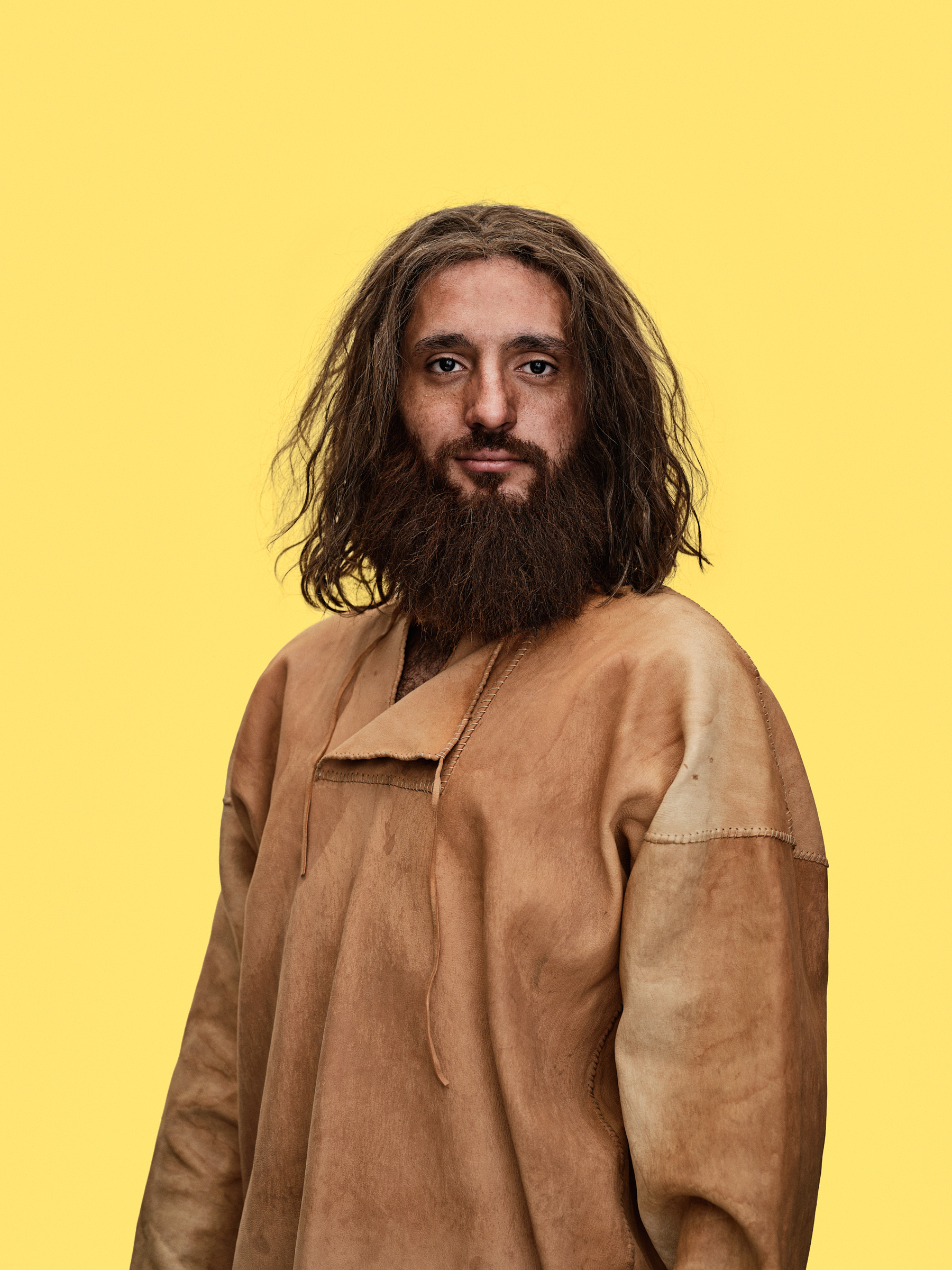
We call Rav the farmer and hunter from the last part of the Stone Age. The depiction of Rav is based on a grave find, dated to around 2000 BC, at Verket in Hurum, Eastern Norway. Read about how we created the portrait of Rav.
Photo: Calle Huth/Historisk museum

Svane is 10 years old and lives in the middle of the Stone Age in Norway. Her story is based on a Stone Age settlement at Brunstad in Stokke, Vestfold, Southeastern coast of Norway. The depiction of her is based on skeletal finds from the same period in Scandinavia. Read about how we created the portrait of Svane.
Photo: Calle Huth/Historisk museum
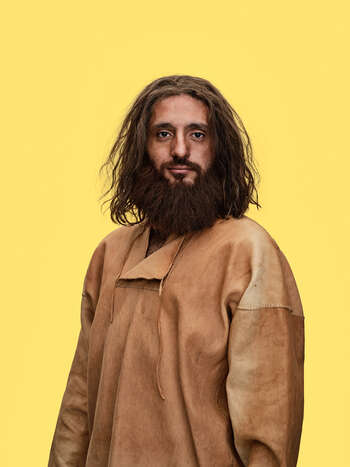

The 10‑year‑old Svane tells the story of life in the middle part of the Stone Age in Norway. By now, people were building dwellings they could live in for a long time, or return to again and again, and were exploring forests, fjords and animal trails with increasingly sophisticated ways of hunting, fishing and gathering.
Rav is our name for the farmer and hunter from the later Stone Age. Farming had now reached Norway, but people still lived largely by hunting, gathering, and fishing. It would be many hundreds of years before farming became the most important way to obtain food.
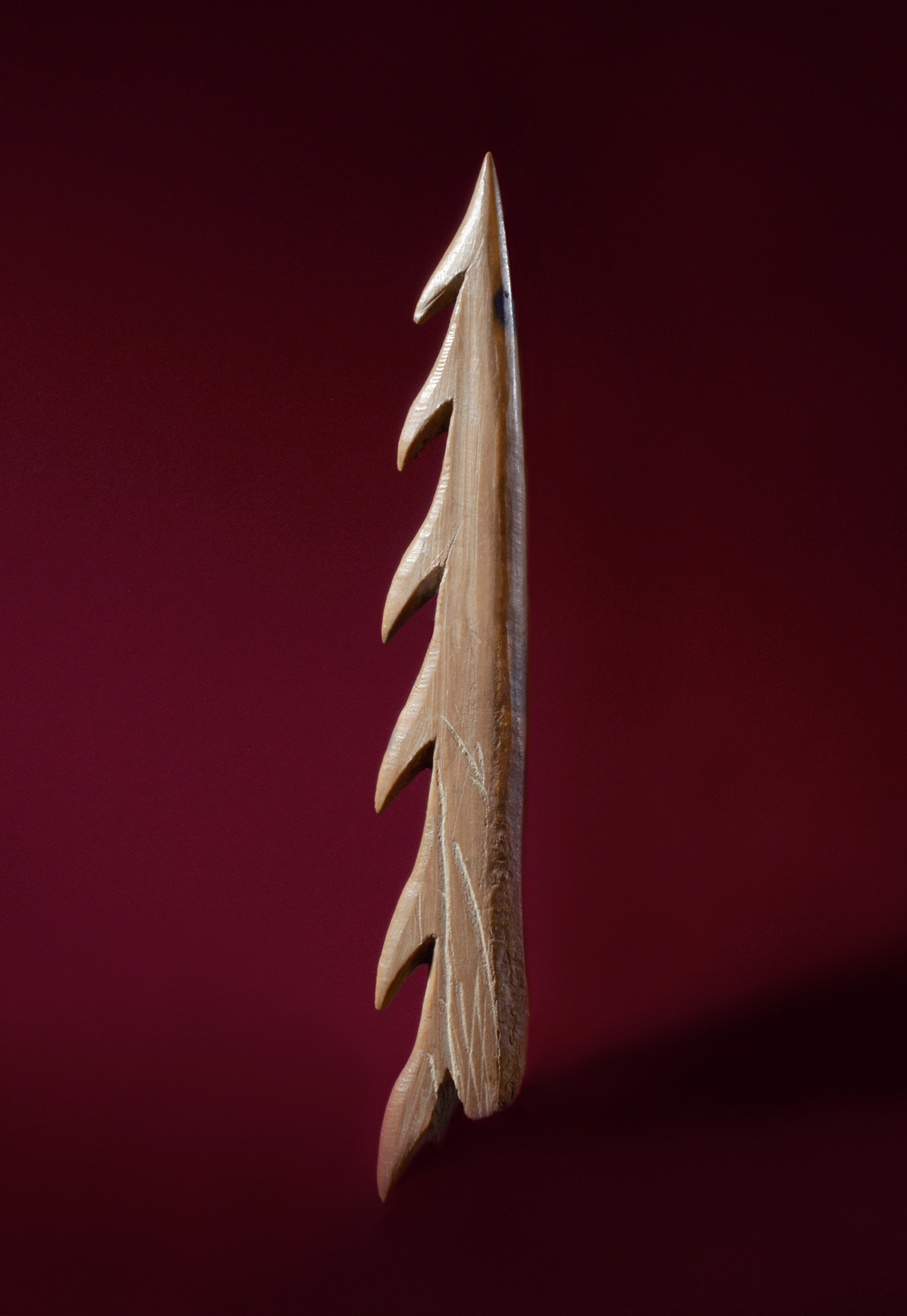
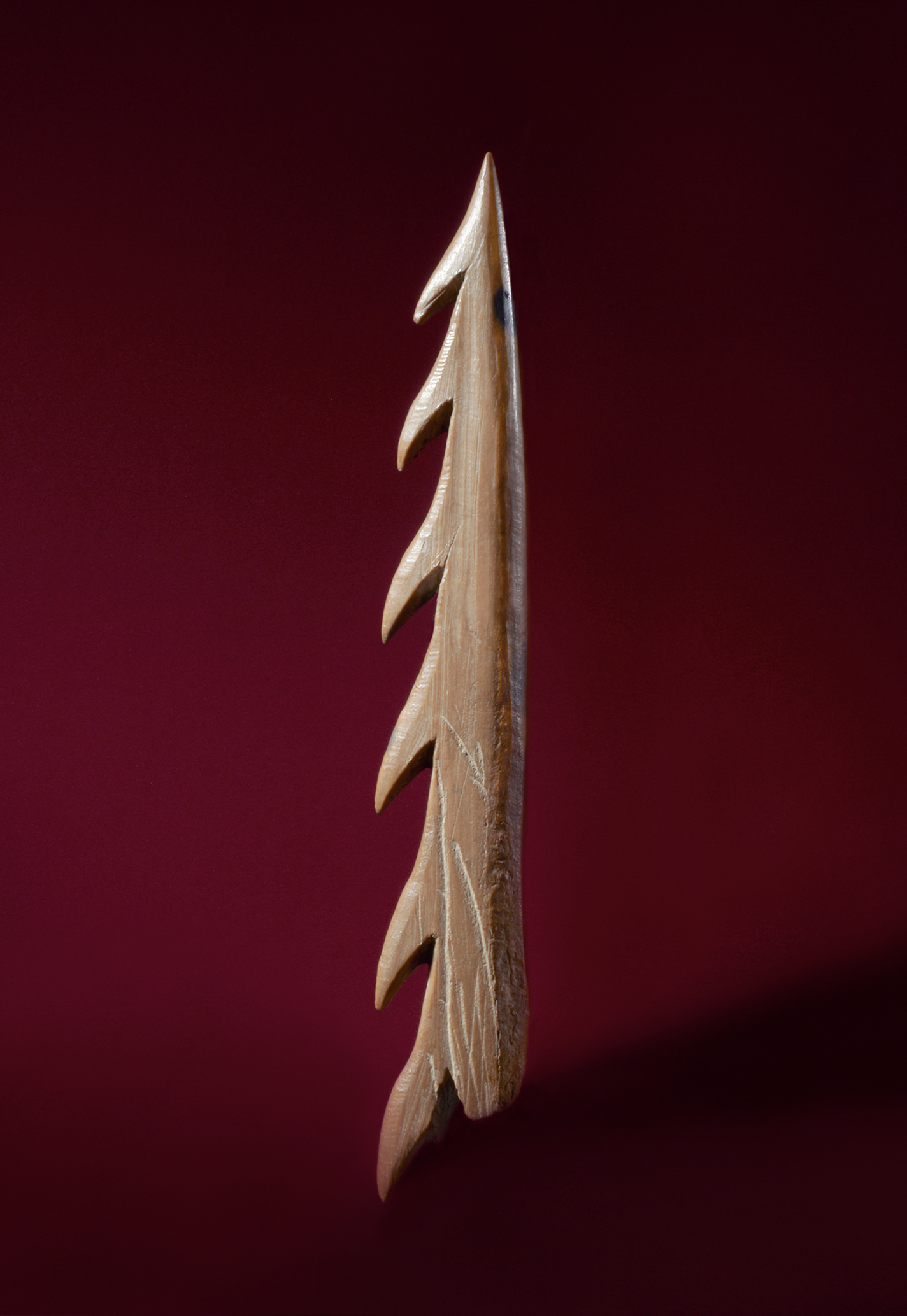
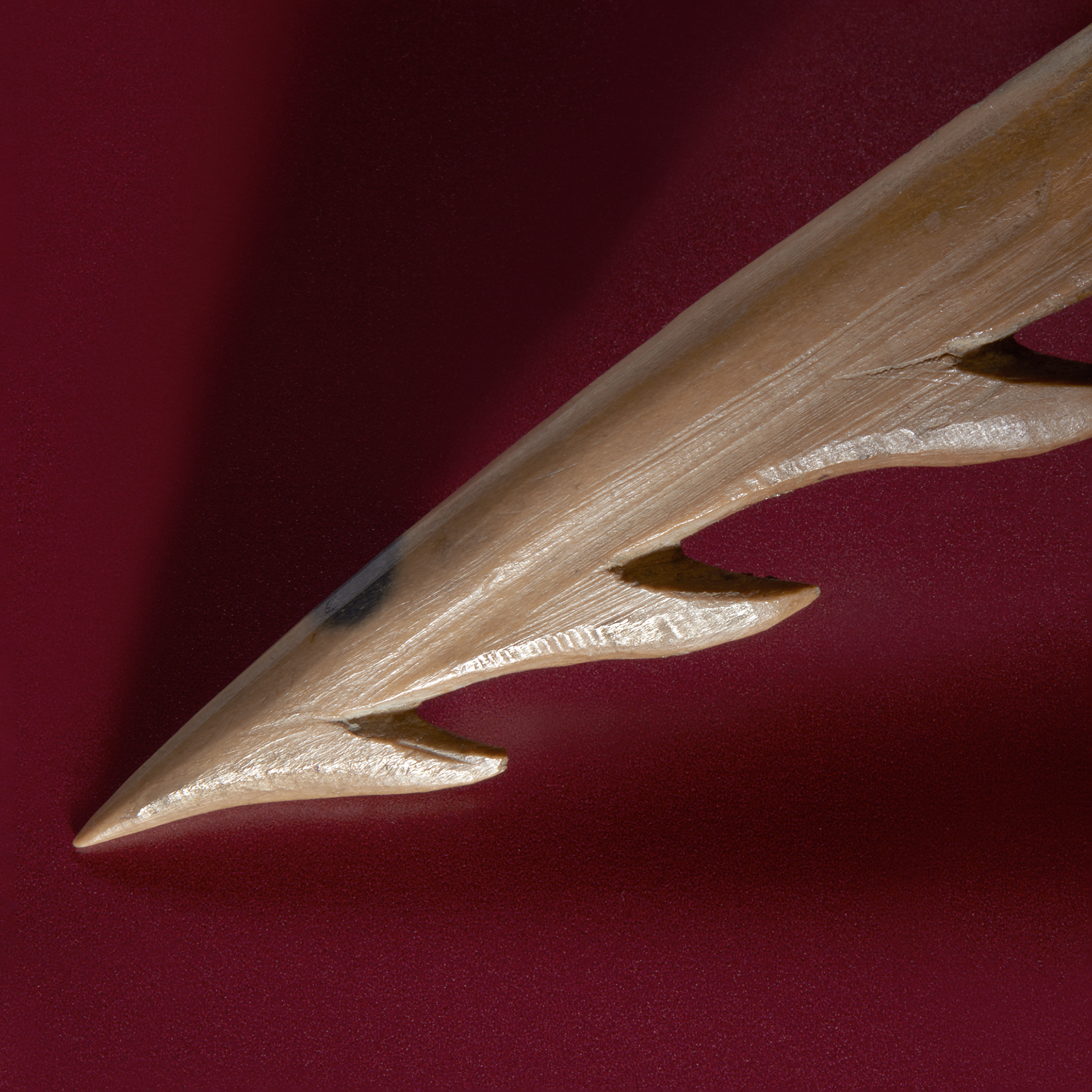
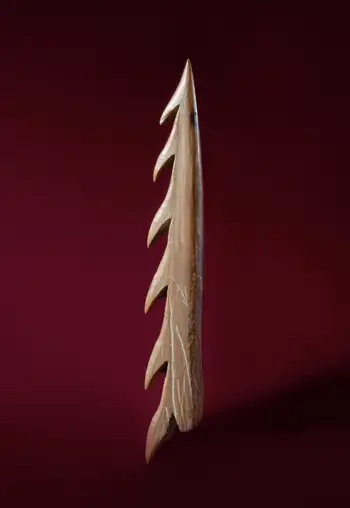
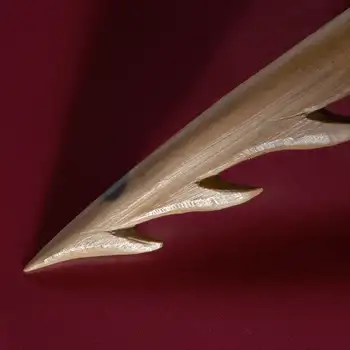
Bone harpoon head. Harpoons were used to catch seals, whales, and larger fish.
Found at Jortveit in Grimstad, Agder County, Norway.
C25034a
View in full size.
Photo: Ellen C. Holte/Historical Museum, University of Oslo
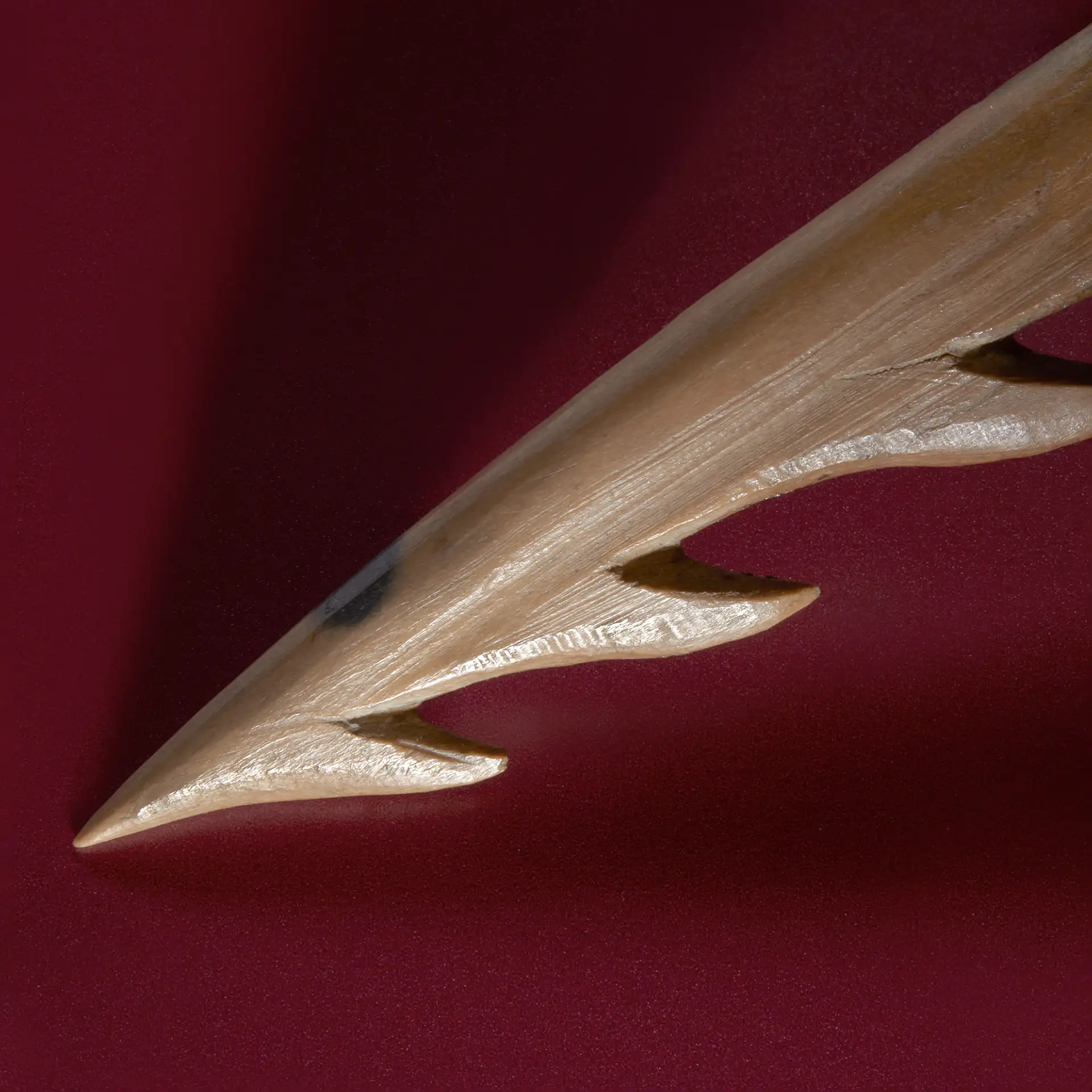
Harpoons have been found together with remains of killer whales and giant Atlantic bluefin tuna on the southern coast of Norway. View in full size.
Photo: Ellen C. Holte/Historical Museum, University of Oslo
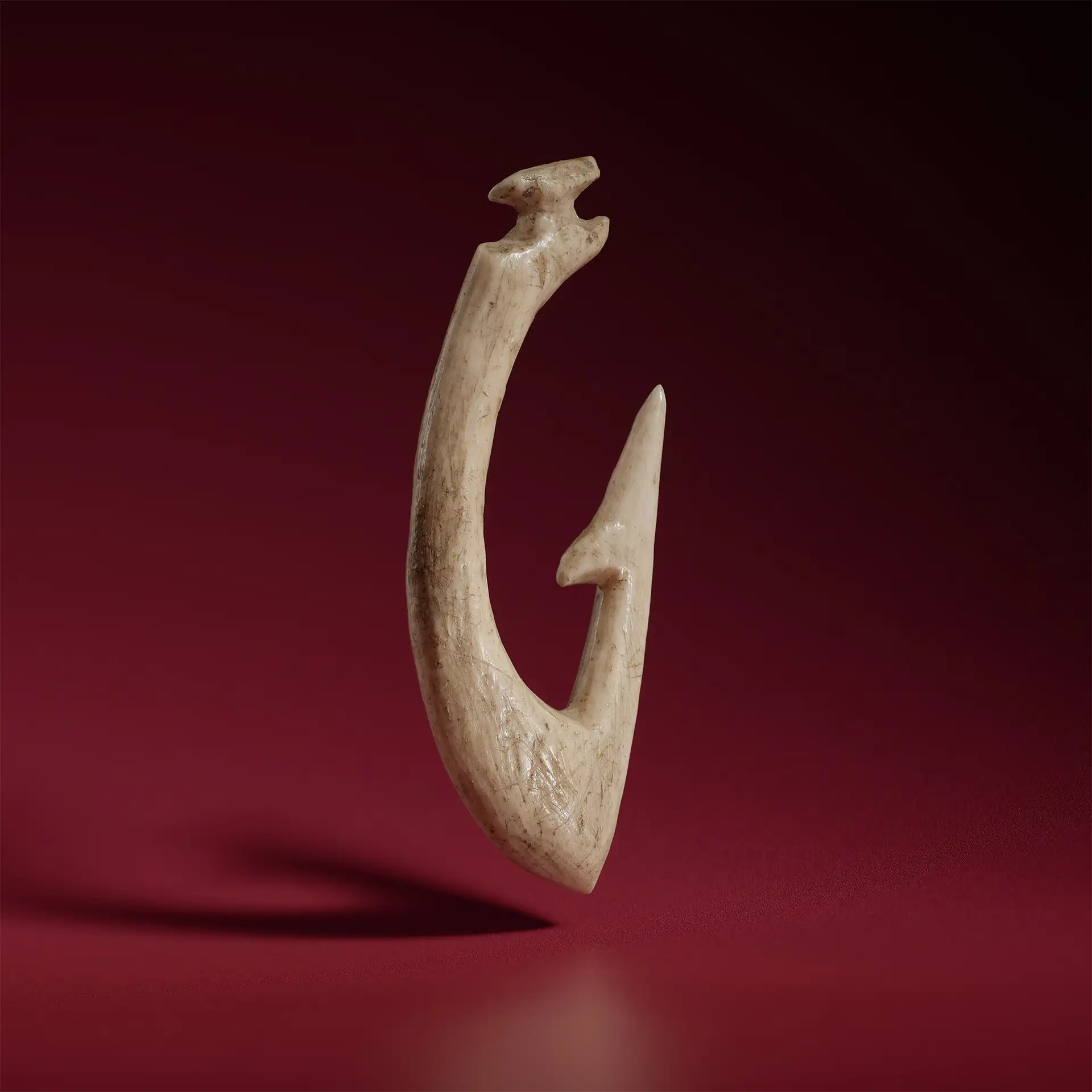
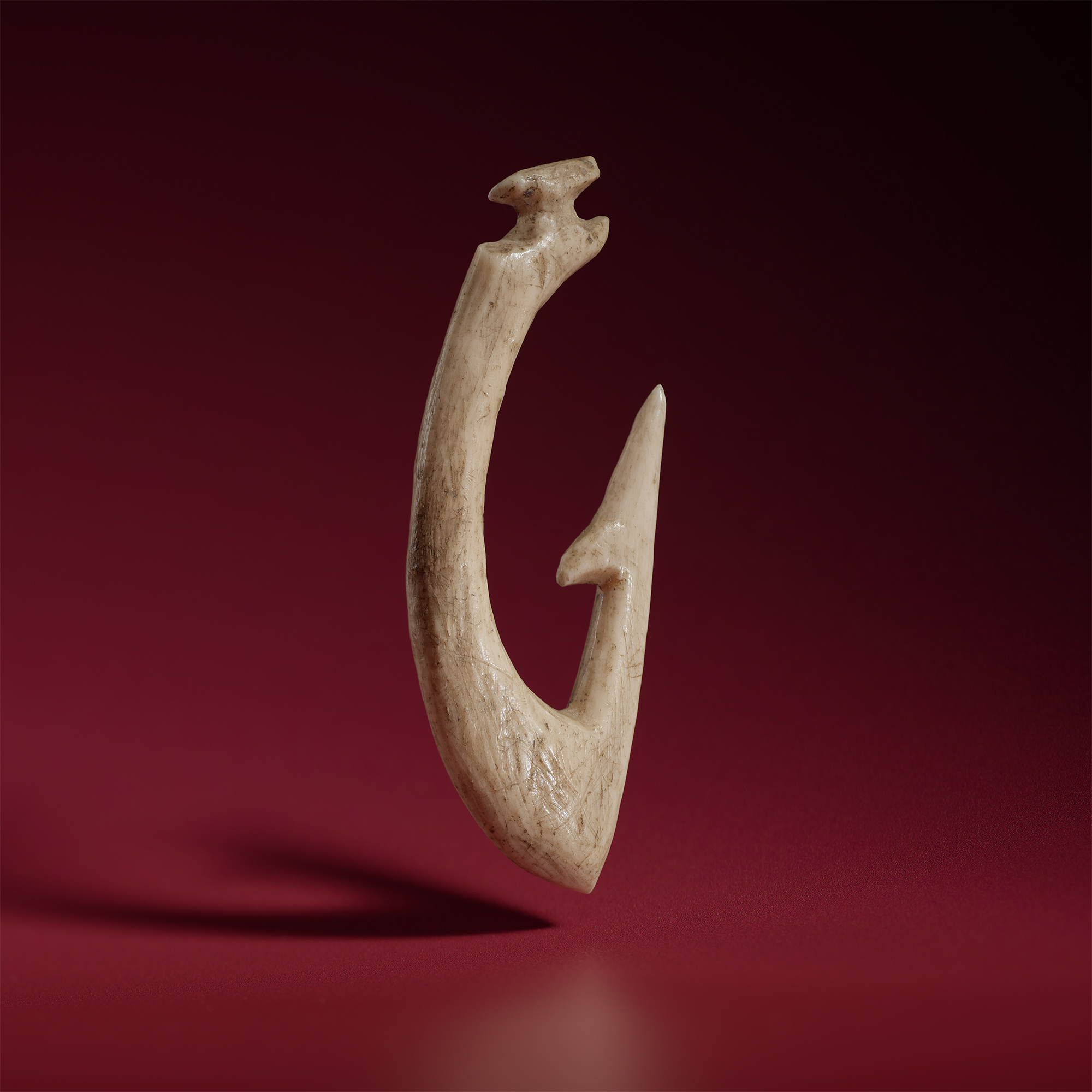
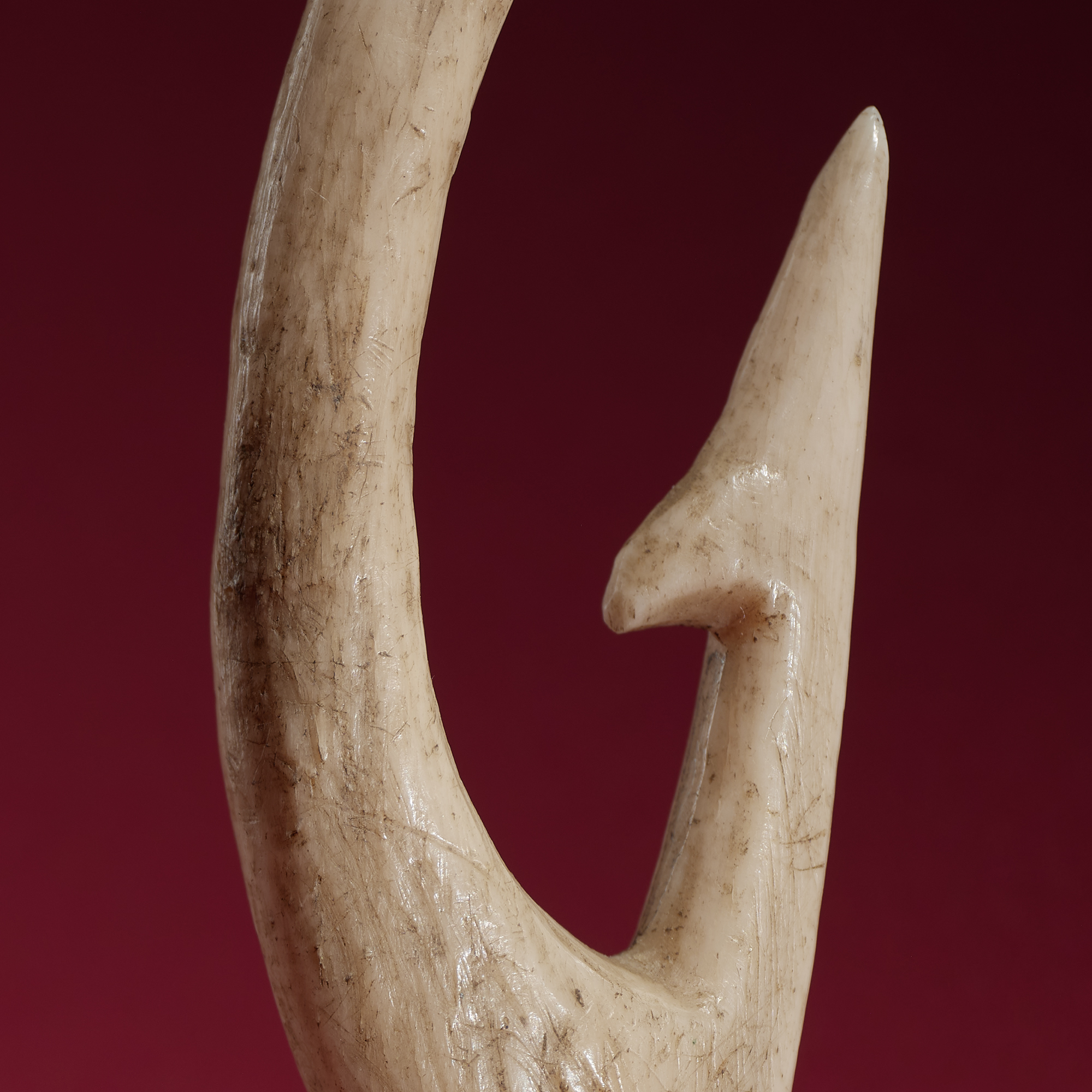
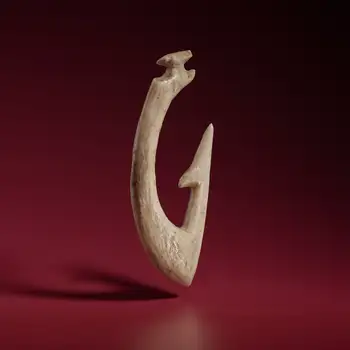
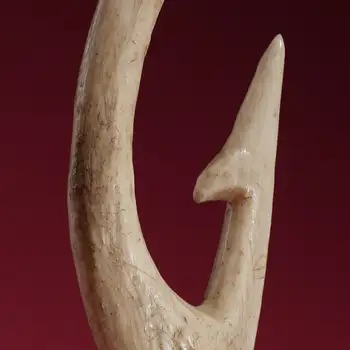
Bone fish hook.
Found in Grimstad, Agder County, Norway.
C25081/a
View in full size.
Photo: Alexis Pantos/Historical Museum, University of Oslo
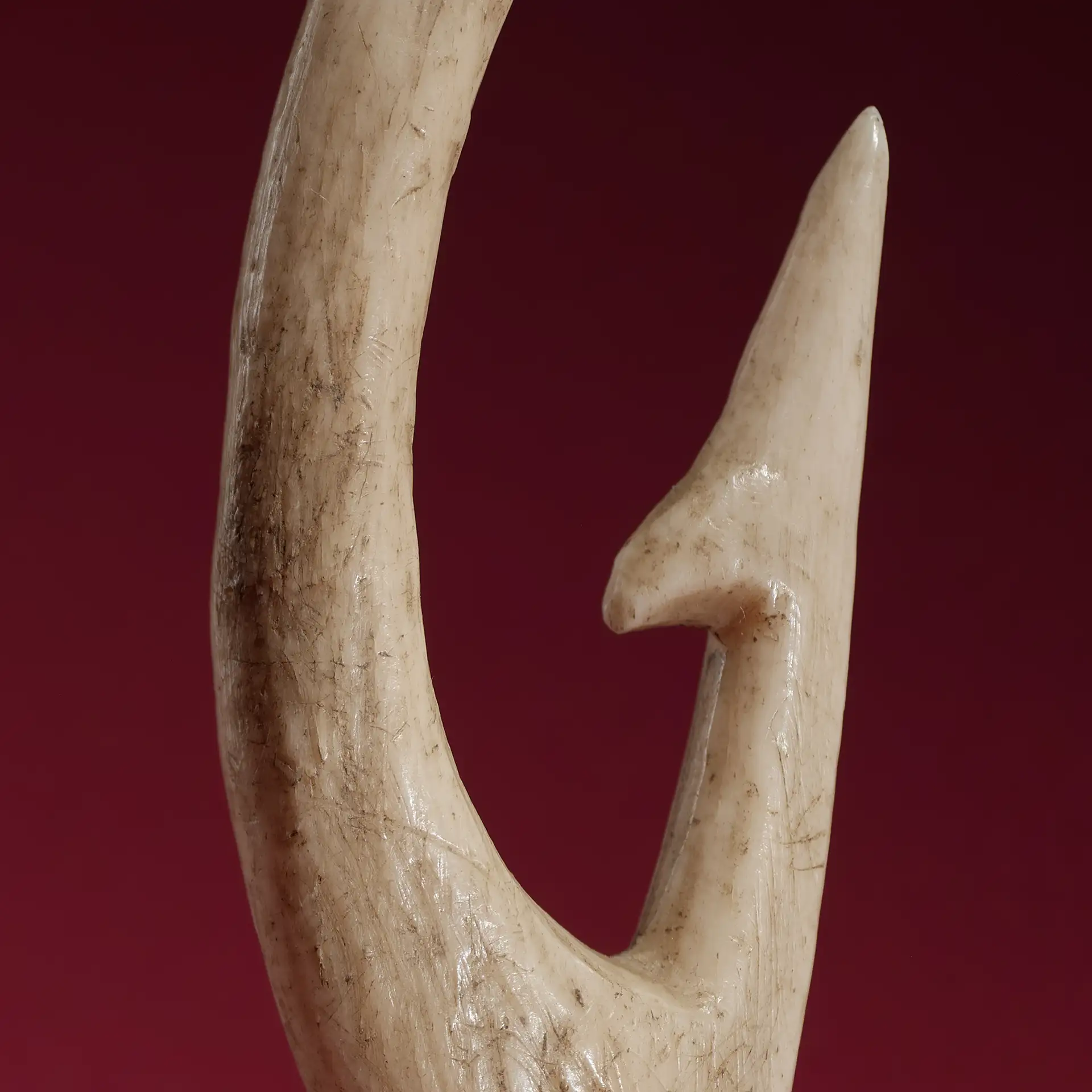
Fishing is an important source of food, both in the Stone Age and today. View in full size.
Photo: Alexis Pantos/Historical Museum, University of Oslo
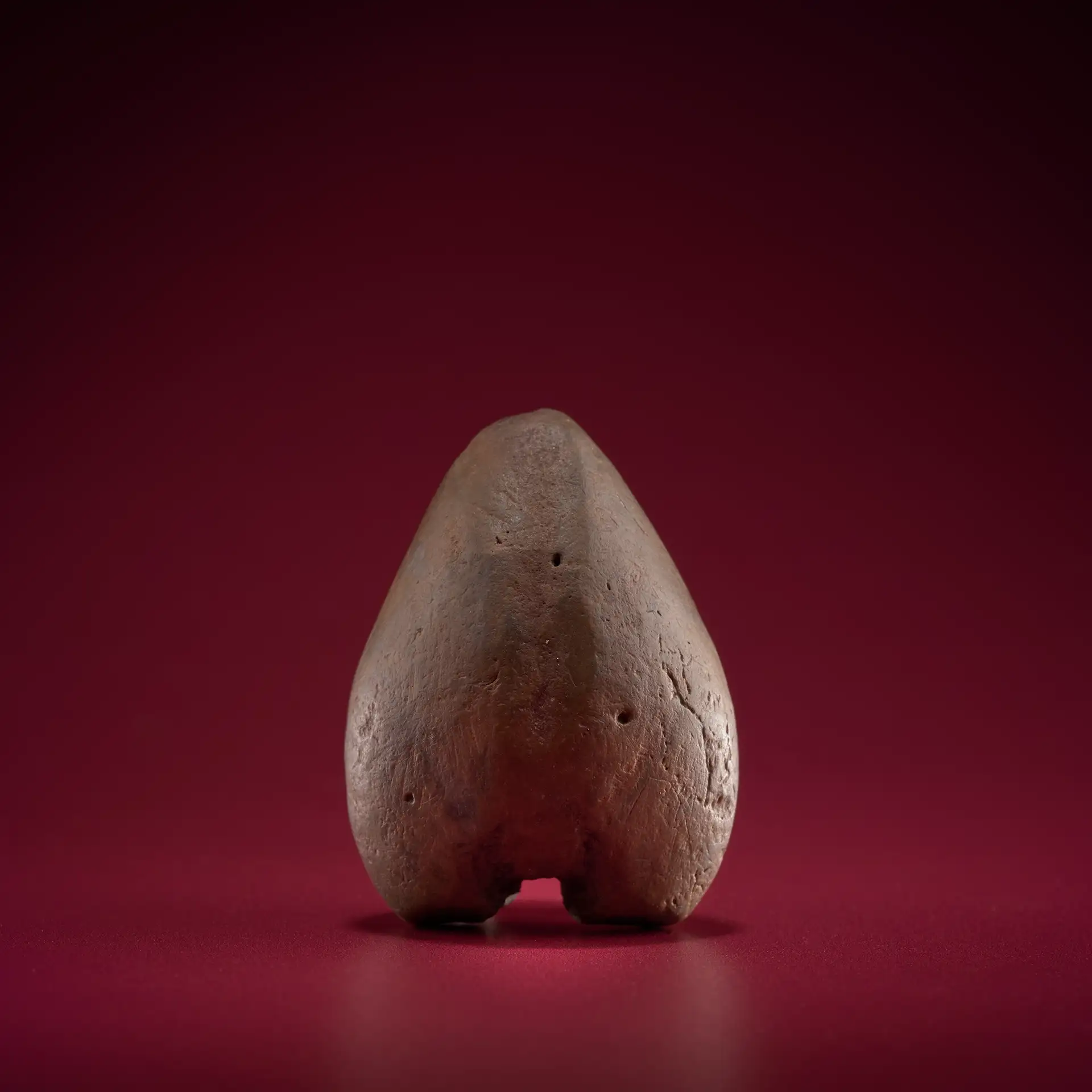
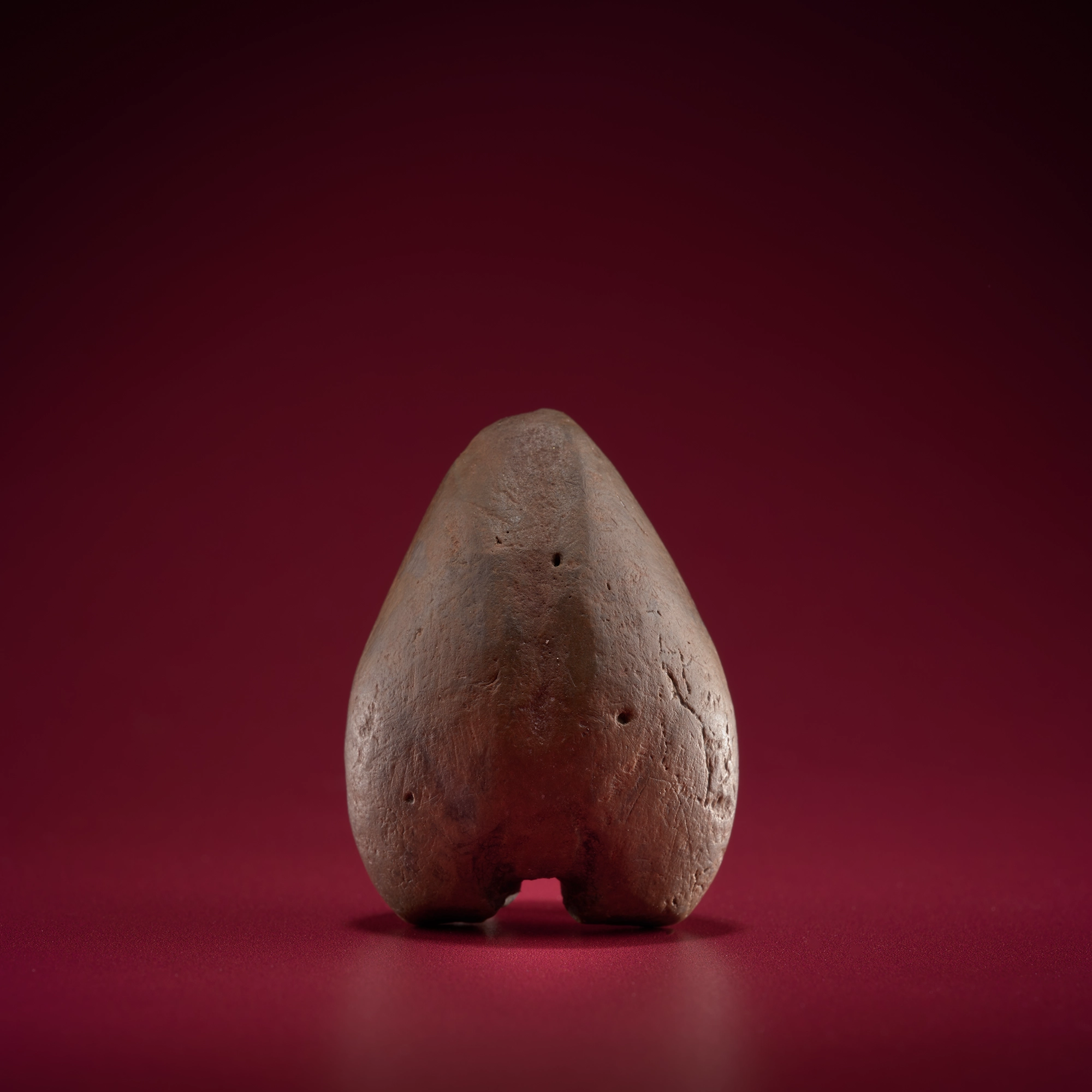
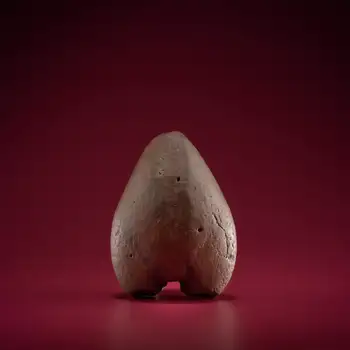
This object has been named the Venus of Svinesund and resembles the lower body of a woman. Similar objects from the Stone Age have been found further south in Europe, and they may have been intended to ensure fertility.
Found at Svinesund, Østfold municipality, Norway.
C53850/57
View in full size.
Photo: Alexis Pantos/Historical Museum, University of Oslo
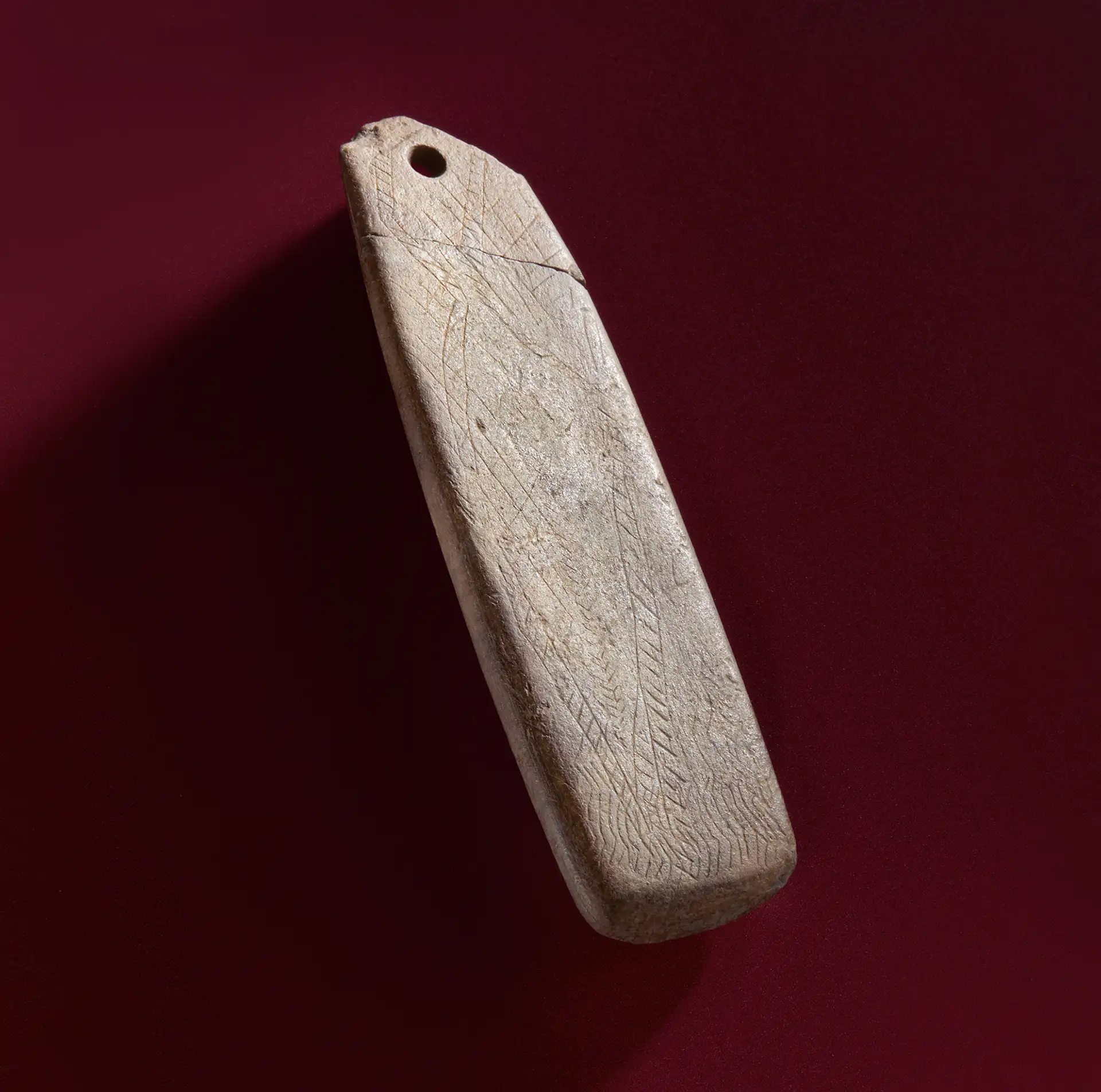
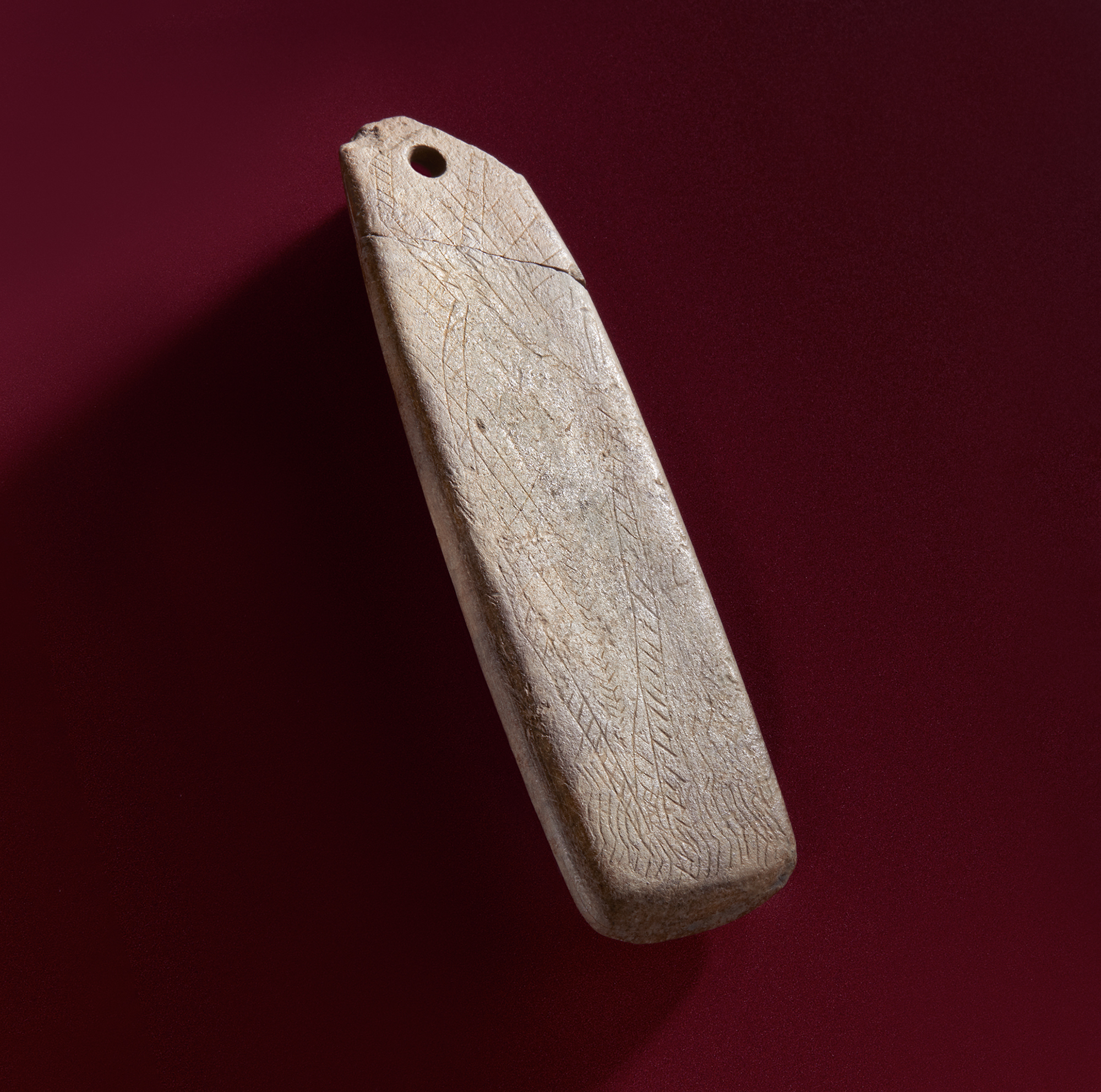
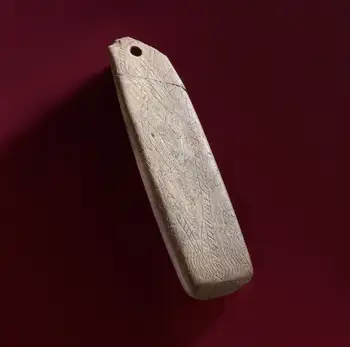
Stone pendant with decoration resembling the shape of a fish.
Found at Brunstad in Stokke, Vestfold county, Norway.
C59135
View in full size.
Photo: Ellen C. Holte/Historical Museum, University of Oslo
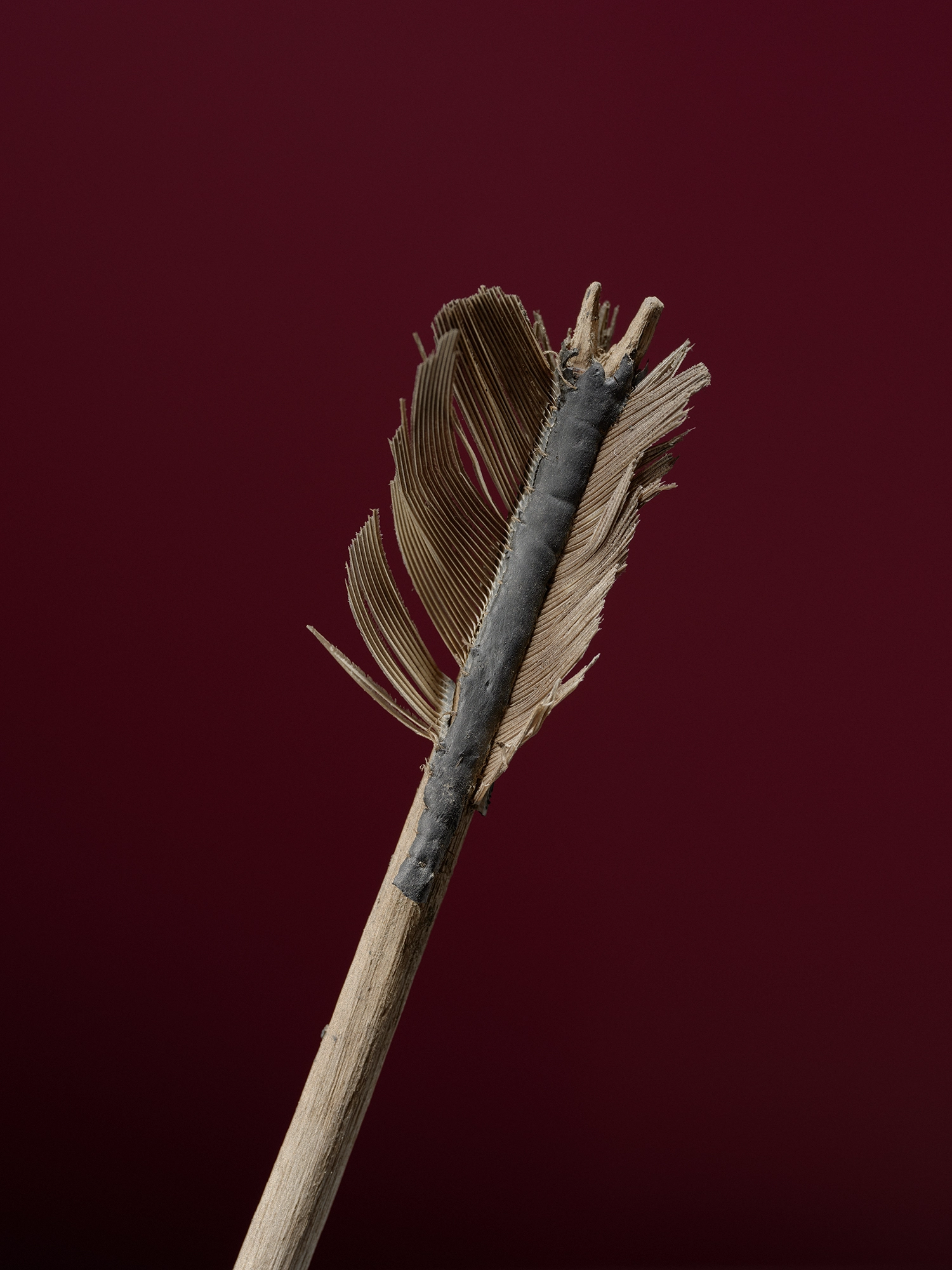
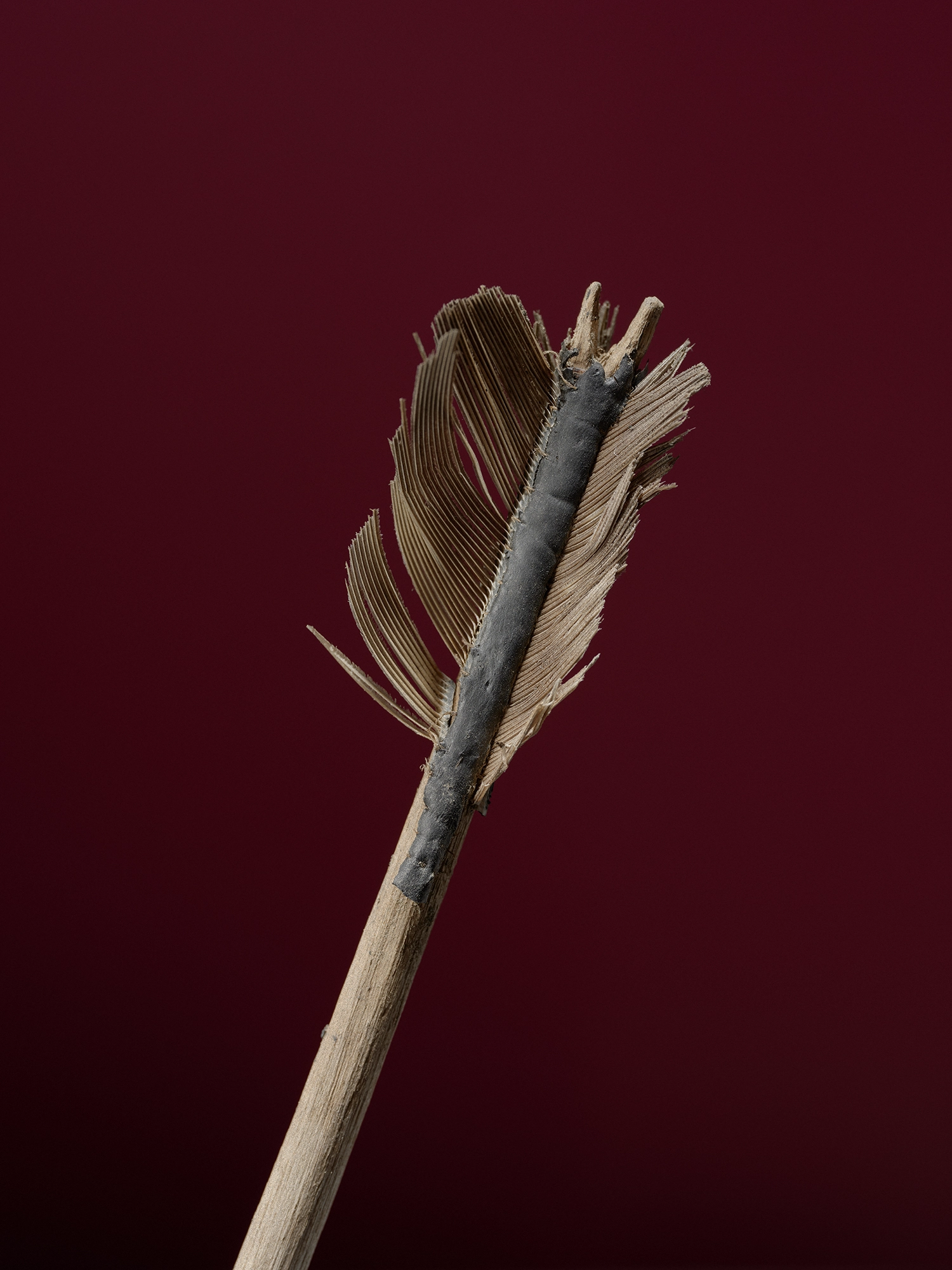
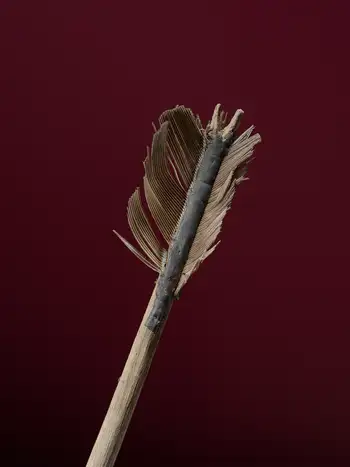
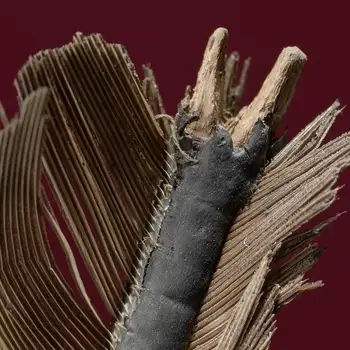
Arrow with feathers. It is remarkable that it is still intact today! This is one of many objects that have been recovered from melting ice patches and glaciers. Preserved in the ice, they have remained safely protected, but as the ice melts, archaeologists must work as quickly as possible to recover objects that are exposed before they are destroyed.
Found in the Langfonne ice patch in Jotunheimen, Lom, Innlandet.
C65968/1
View in full size.
Photo: Alexis Pantos/Historical Museum, University of Oslo
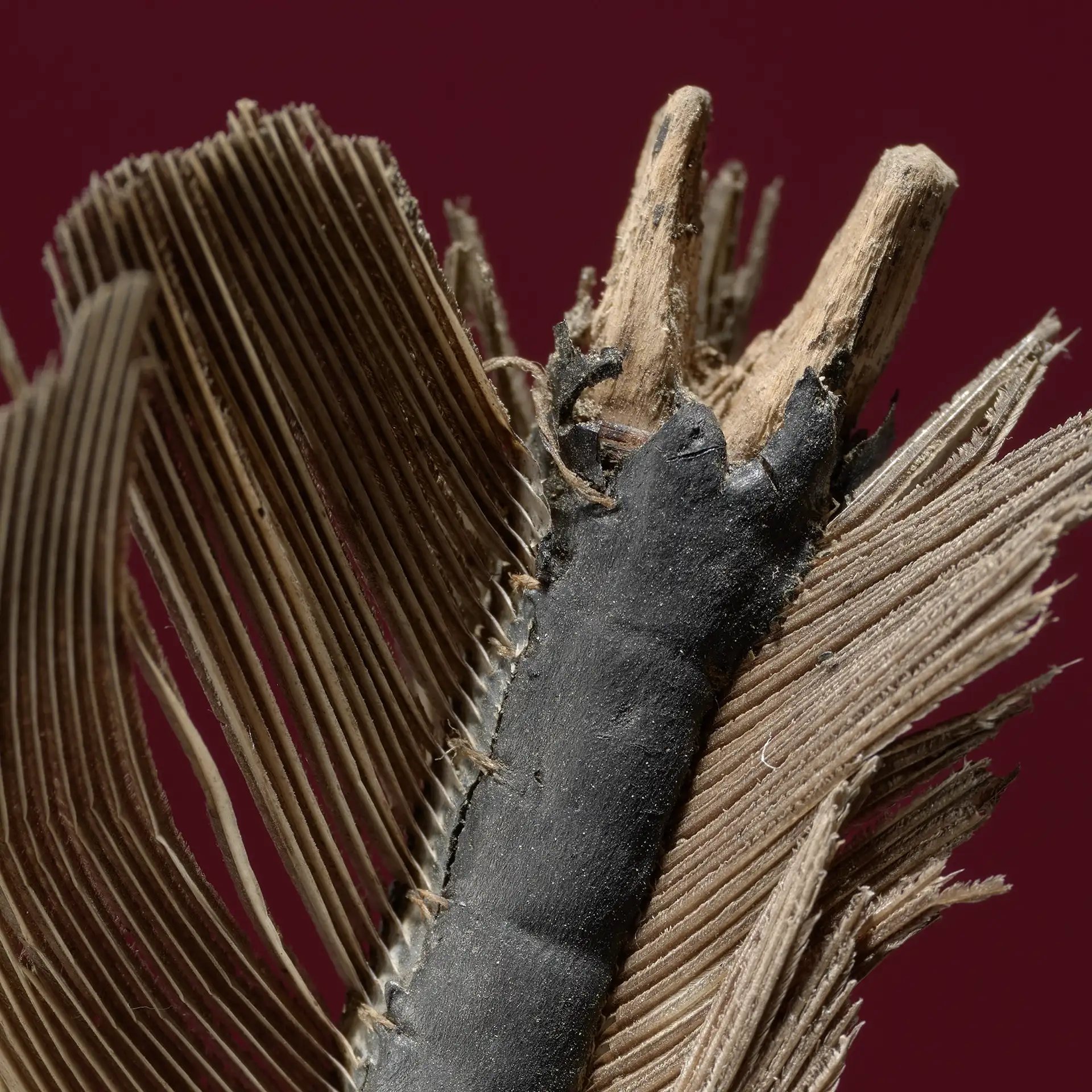
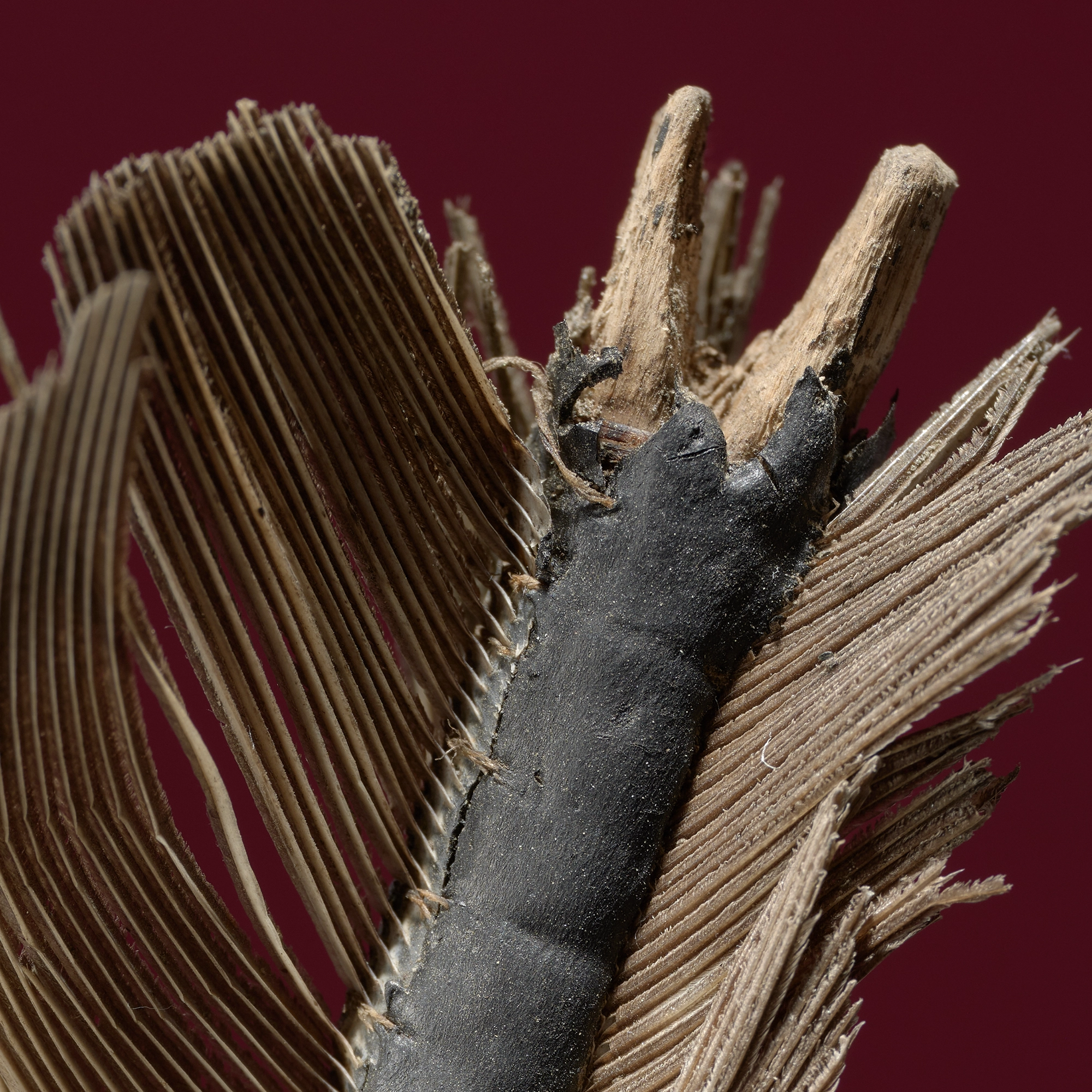
Which bird might this feather have come from? Researchers have not yet found the answer. View in full size.
Photo: Alexis Pantos/Historical Museum, University of Oslo
Experience the Stone Age up close
Generation Stone Age is designed for curious visitors of all ages.
Children and families can immerse themselves in the stories of Sol, Svane and Rav, and recognise elements from their own lives – like losing something valuable, going on a fishing trip or hiking in the mountains.
Adults and enthusiasts will find rich detail on migration, technology, trade, and the rise of agriculture, and see how ongoing research – including DNA and chemical analyses – keeps giving us new answers about prehistory.
Throughout the exhibition, encounters between people, journeys and everyday life are at the centre. We hope you leave with a new understanding of the Stone Age – not as a distant, primitive time, but as a long and diverse era shaped by people who were not so different from ourselves.
Venus from Svinesund – a fertility goddess?
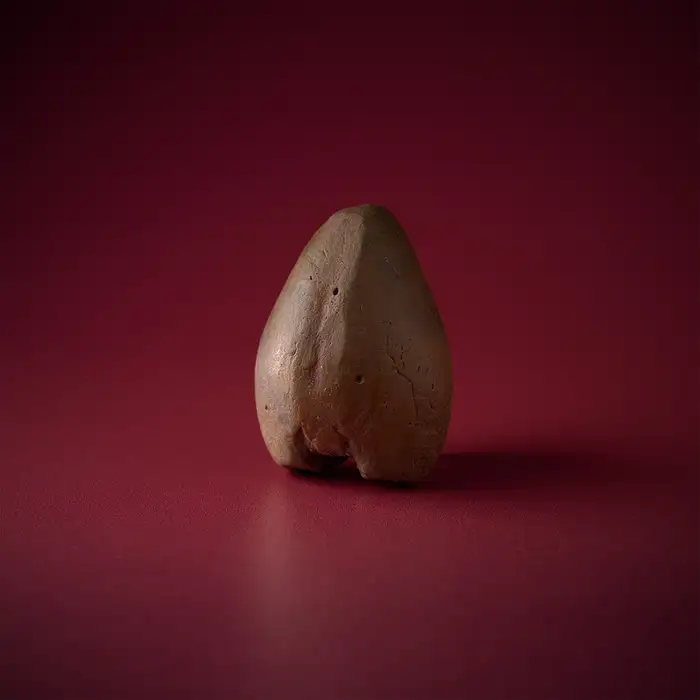
This small object, barely 4 cm tall, may have been a fertility symbol. Such symbols are called Venus figurines, a collective term for small sculptures of female bodies from Stone Age Europe.
How we created the portraits of Sol, Svane, and Rav
People in the Stone Age had the same physical characteristics as we do. We have therefore portrayed them using people from today. The archaeologists based their work on research on skeletal finds from Scandinavia, and then collaborated with photographer, makeup artist and model.
About Sol and the museum's ethical consideration in displaying her
The exhibition presents preserved remains of a human being, and prior to the exhibition the museum has carried out a thorough ethical assessment as part of its responsibility for human remains.
Displaying Sol’s skull is an important professional choice in this exhibition, to show that the people who lived in the Stone Age were individuals with lives, relationships and experiences – people like us.
The remains have no known religious or ethnic connection to any living groups, and come from a person who lived a very long time ago. The lighting and display case are designed to ensure that the bones are not damaged.
The museum will not use photographs of the skull in any marketing for the exhibition.
Exhibition credit
The exhibition’s project group consists of museum staff.
- Project owner: Toril Rokseth
- Curators: Hege Damlien, Axel Mjærum
- Project manager: Mina Augestad Fossum
- Exhibition design: Eili Lindøe, Maisam Mahdi at Arkitektskap
- Education and public outreach: Martin Hager-Saltnes
- Graphic design: Johnny Kreutz
- Interaction design: Jakob Skarveland
- Conservation: Agnes Lima, Mathea Hovind, Mai-Britt Andersen Kleiven
- Curatorial advisers: Steinar Solheim, Lucia Uchermann Koxvold, Almut Schülke, Inger Marie Berg-Hansen, Anette Sand-Eriksen
- Collections manager: Dag Erik Færø Olsen
- Photo: Ellen C. Holte, Alexis Pantos
- Communications team: Øivind Gulliksen, Ida Marie Bjørknes Gaarder, Tea Kristiansen, Karoline Dowson
- Exhibition technicians: Hugo Strand, Inge Bugge Knudsen
- Production: Møbelverkstedet, Konsis
- Animation: Red Ant
- Portrait photo: Calle Huth