Exhibition
The Norwegian word «Arv» means both inheritance, heritage and legacy, and like its English counterparts, evokes many associations. Inheritance makes us think of sudden wealth, or conflicts over property and possessions. Or of treasured objects passed down from past generations. Heritage brings to mind history, culture and identity. Legacy is about remembrance, traditions and what we leave behind.
Most of the objects on display are «heirlooms» from our own museum collections, some are also from the present day. We have chosen themes and objects that let our collections interact in new and unexpected ways. Norwegian Medieval art stands side by side with figures from Ancient Egypt. Musical instruments from India and Norway “play together” to show how old traditions are finding new expressions for a new time.
What do we inherit?
The exhibition aims to reflect on which heritage we elevate and which we forget, and how this impacts our communities and the direction we take in facing the future.
Not all objects are equal, some have more cultural-historical "value" than others. Stave churches from the Norwegian Middle Ages have long stood tall as national icons. Some, however, are more highly regarded than others. Who decides an object’s status and its position in the cultural heritage hierarchy?
Who owns cultural heritage?
Our museum also has collections that hold stories of power, violence and oppression. The exhibition “HERITAGE – Our place in history” also explores the more problematic sides of cultural heritage. The European colonial powers returned home with ships filled with other peoples' cultural heritage. The story of the Benin bronzes is such an example. A few have ended up here at the Historical Museum.
How should museums treat these collections today? Should they be exhibited? Should they be returned? Can we make amends for past injustices? Questions about who actually owns or should own cultural heritage objects are a highly relevant debate taking place in many countries around the world.


How do we keep the dead alive?
To inherit is to allow something from those who have lived before us to continue living. It can be about what individuals receive from their ancestors, but also what is passed down from the past to a society, a culture, a collective.
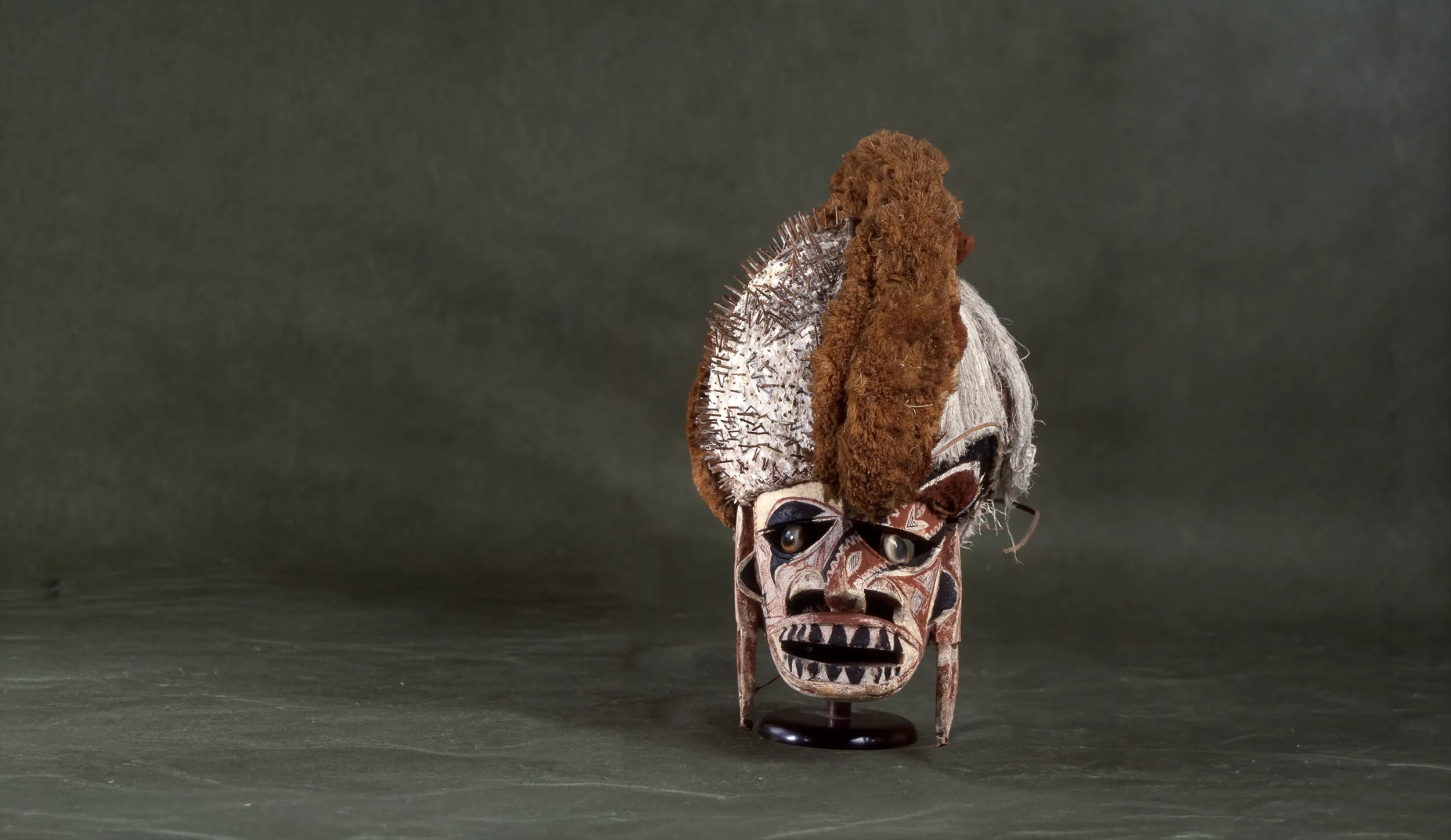
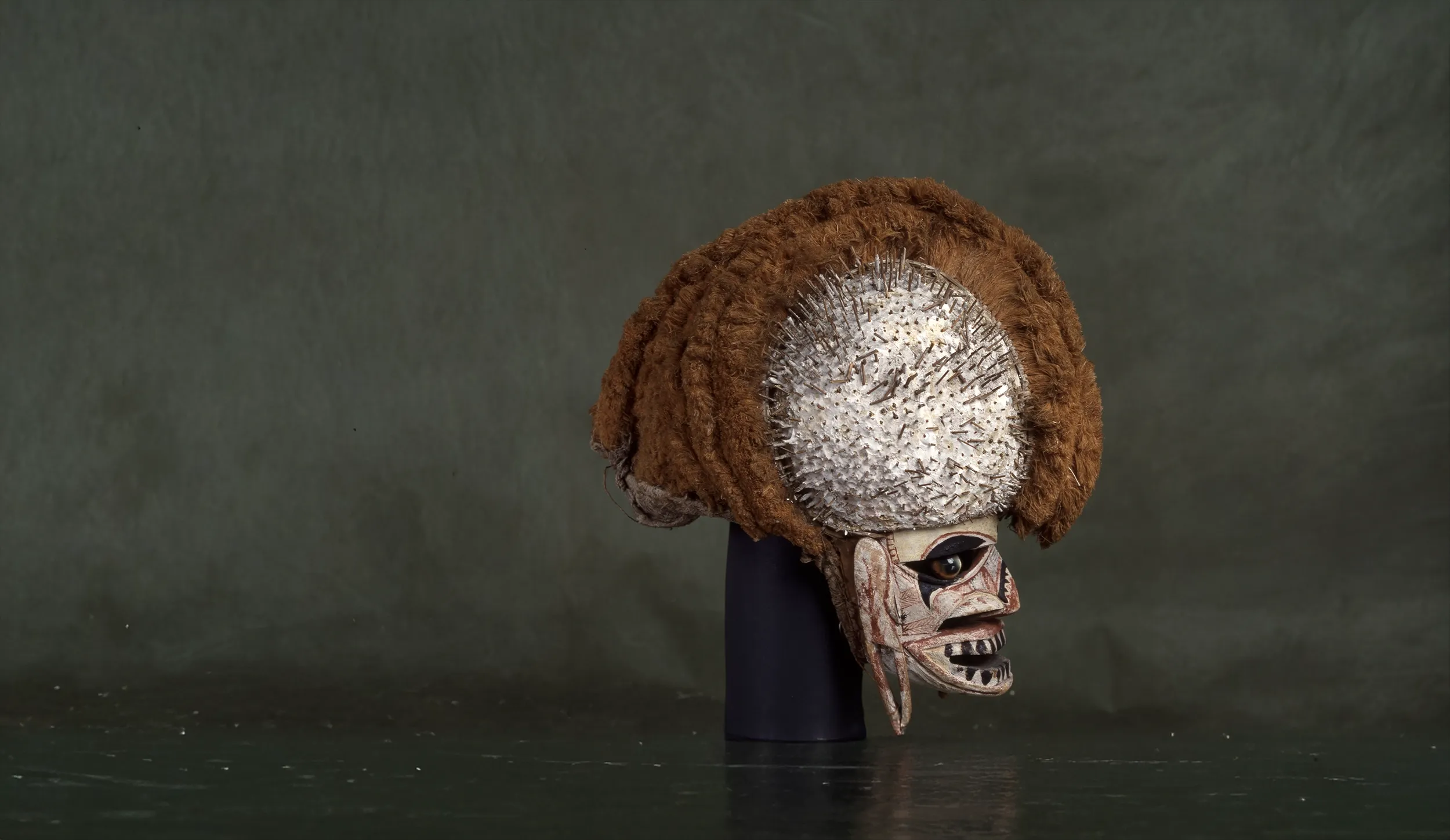
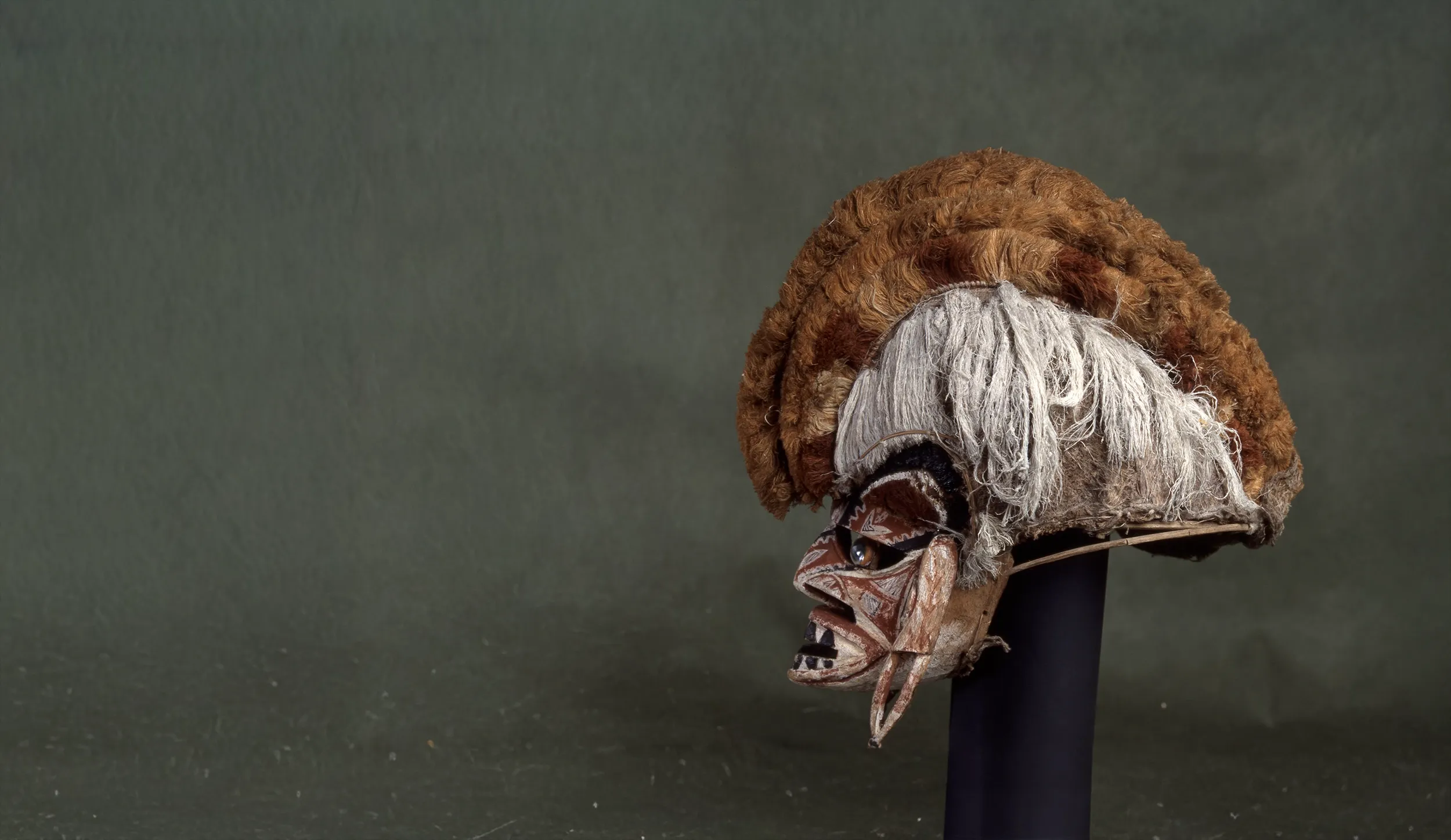
Objects from various parts of the world, including Papua New Guinea, Egypt, and Norway, demonstrate how death occupies people globally. The exhibition explores how people create a sense of continuity and belonging with both the lives of the past and what lies ahead in the future.
By juxtaposing objects from different times and places, the exhibition draws attention to some commonalities in how we as humans relate to the heritage of the past.
Historical Museum is a part of the Museum of Cultural History. Read our museum's guidelines for questions concerning the ownership of museum objects.
Explore the museum collections
View selected objects from the collection at the Museum of Cultural History, of which the Historical Museum is a part:
Exhibition credits
- Exhibition design: Snøhetta
Museum project team:
- Project owner: Toril Rokseth
- Curators: Associated Professor Karoline Kjesrud, Professor Øivind Fuglerud
- Project manager: Benedicte Sunde
- Education and public outreach: Katherine Valle Elliott
- Conservation: Kaja Kollandsrud, Anne Karin Håbu, Pia K. Edqvist, Linn Kristin Solheim, Line C. Petzold
- Collections manager: Silje Opdahl Mathiesen, Hanne Lovise Aannestad, Farideh Faramarzi, Anette Sættem, Ralfs Znotins
- Graphic design: Snøhetta
- Graphic design, map of Norway: Johnny Kreutz
- Photo: Alexis Pantos, Ellen C. Holte, Lill-Ann Chepstow-Lusty
- Communications team: Øivind Gulliksen, Tea Kristiansen, Karoline Dowson
- Exhibition technicians: Inge Bjørgen, Henrik Lorentzen












