
The past on the prairie and the plains
After the prairie-groups learned to tame wild horses, they could follow after bison herds and hunt more effectively.
Bison hunting and cooperation
There were strict laws against exploitation to secure access to food and skins for clothing and housing. A brotherhood enforced the rules during the big communal hunts on the prairie.
Language
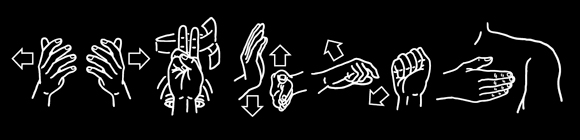
Each group spoke a different language. Eventually the different groups developed a sign language in order to live together and avoid conflicts in competition for resources.
Warfare
Skills such as courage, bravery and the ability to bear pain were highly valued. Everyone owned personal small leather pouches, “medicine bundle,” with magic power. Lances, stone clubs, bows and arrows were the weapons that had long been familiar to prairie groups and they acquired early iron axes and firearms through trade with Europeans.
Organization and roles
Among the prairie there were several careers. In addition to being a hunter and warrior, one could also be a shaman or medicine expert. Clown was another important role.
Some men experienced that their warrior male ideal did not suit them and they could also choose to become berdache – ritual women. This was a respected choice. The majority of women prepared food, collected firewood, prepared hides and sewed clothes, but there are reports of women who chose to live as hunters and skillful warriors.
The sun dance
A few warriors practiced the sun dance ritual on behalf of the entire group. The actual dance took place once a year in the sundance tent in the middle of the camp. The dancers exposed them- selves to extreme pining and physical discomfort to make contact with Wakan Tanka, “the Great Spirit.” This was believed to secure the fertility of the bison herd. A small flute was used to blow out the pain.
Resistance struggle
Europeans moved farther west, were in conflict with prairie peoples, and hunt- ed the bison relentlessly. Soon the animals were nearly exterminated, and therefore the livelihood of the prairie groups also eradicated. The Massacre at Wounded Knee in 1890 marked the end of the prairie groups’ intense battle against invaders.
Objects in the exhibition
This Sioux headdress showed that he was an experi- enced warrior and a man with great influence. Each feather symbolized a special accomplishment, for example having killed an enemy in battle.
This Blackfoot headdress was a symbol that he belonged to the horn order, one of the group’s most important brotherhoods












