From a runological point of view, the Viking Age begins with the transition to the younger runes in the early 700s and lasts until just after 1100 when runestones apparently ceased to be raised.
Runes are also found on small objects from the Viking Age, including a few items from the Viking ship burials at Oseberg and Gokstad.
We know of some 400 Norwegian coins with runes minted in the period 1065–1080. The runes are almost always stamped on the reverse and usually give the name of the moneyer who struck the coin. Five texts recur. The one occurring most frequently is ‘Gunnarr owns this stamp’.
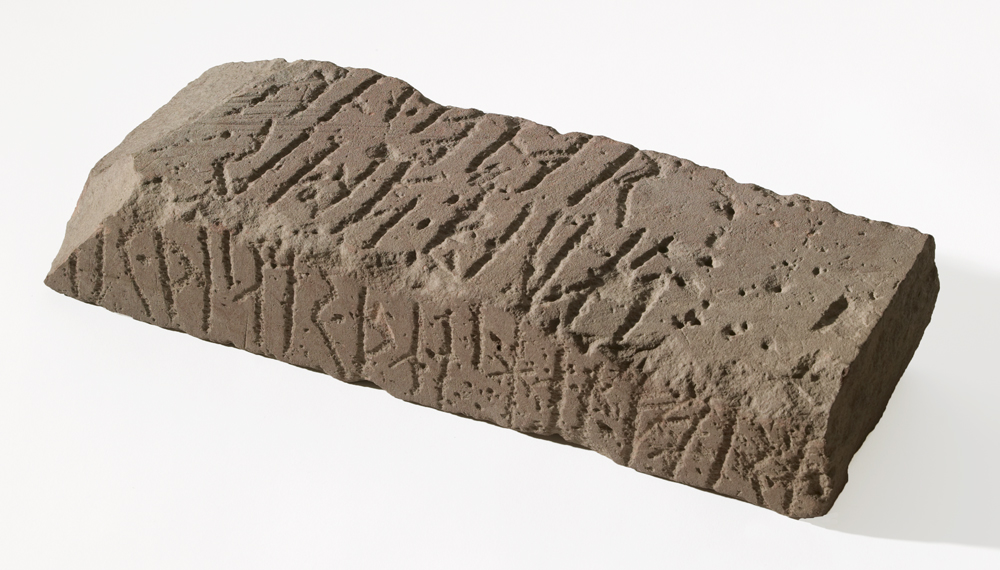
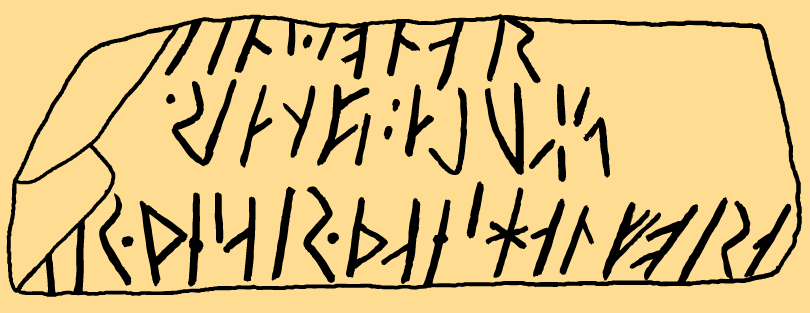
1.‘...-in’s son Skúli’s son.’ / ‘... (carved) these (run)es when he travelled to ...’ Runestone fragment from Klekken farm in Ringerike. C. 1050–1125.
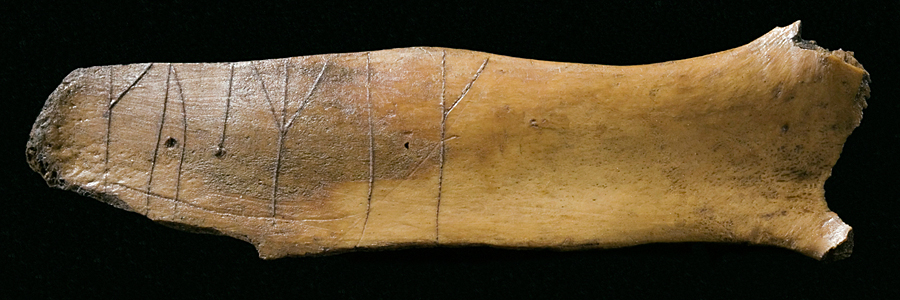
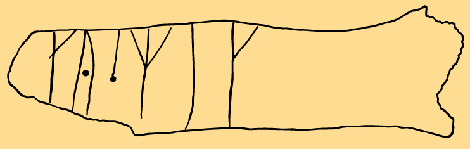
2. ‘Kiss me!’ Cow bone from Oslo. 1075–1100.

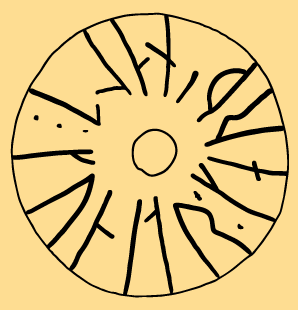
3. ‘Gunnhildr made the spindle whorl.’ Spindle whorl from Hoftuft farm, Aust-Agder.1000s?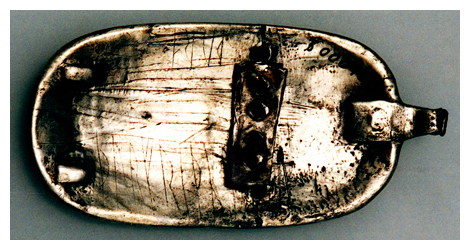
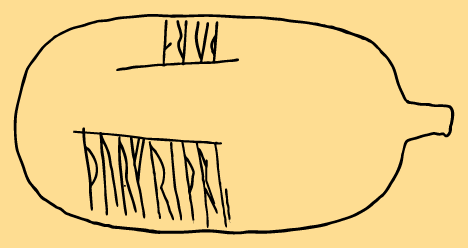
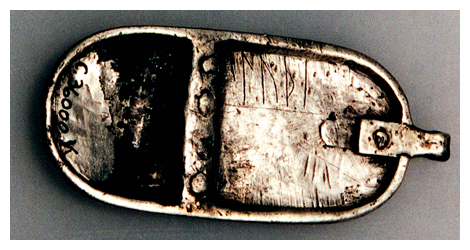
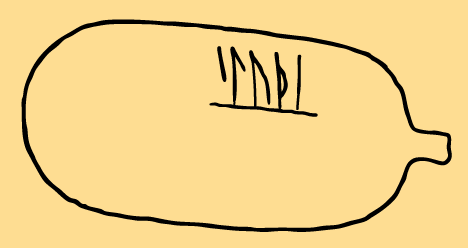
4. (a) ‘Þórfriðr’/‘Þórfríðr’ and ‘Þóra’; (b) ‘Slóði’. Silver pendants from Slemmedal farm, Aust-Agder. C. 900.
5. Coins from King Óláfr the Quiet’s time. Gressli find, Sør-Trøndelag. 1065–1080:

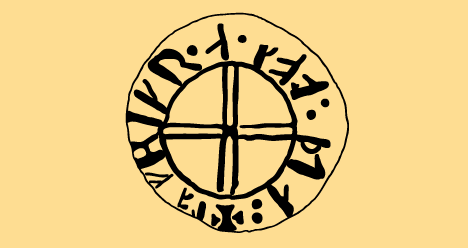
(a) ‘Lofric [an Englishman] owns this stamp.’
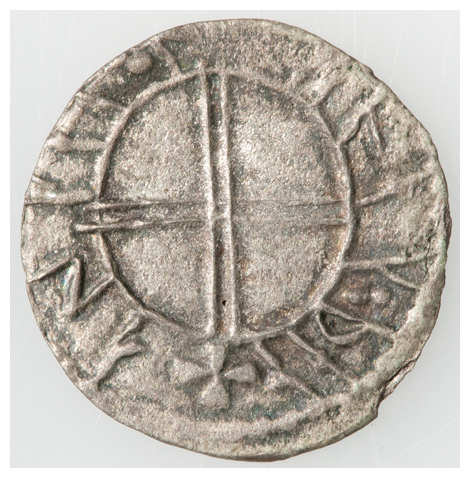
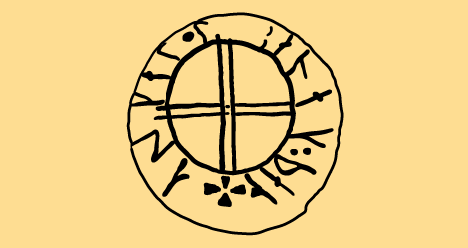
(b) ‘Áskell owns this ‘penny’ [=stamp]
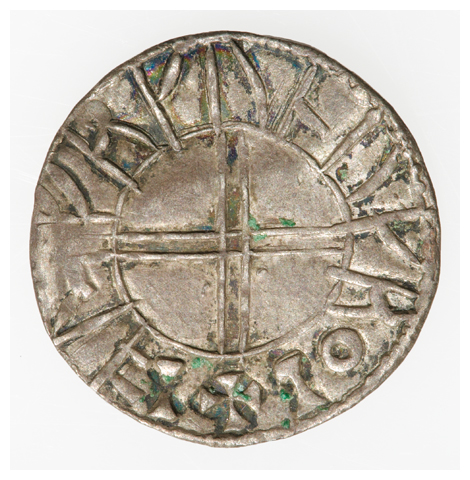
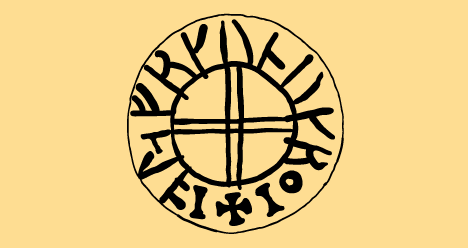
(c) ‘King Óláfr [the Quiet].’
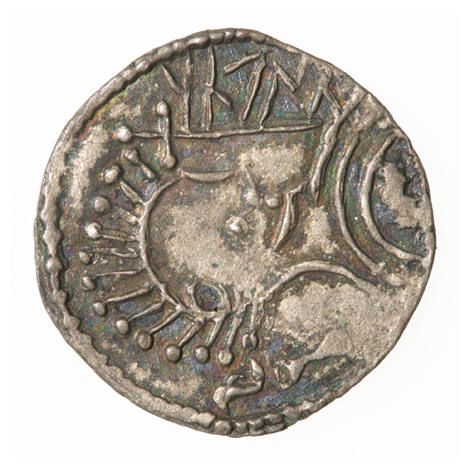
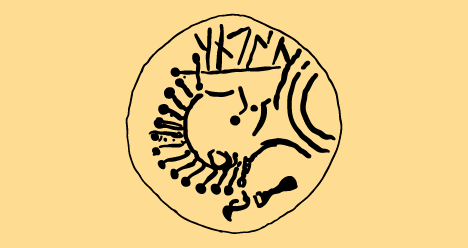
(d)‘Áslákr.’
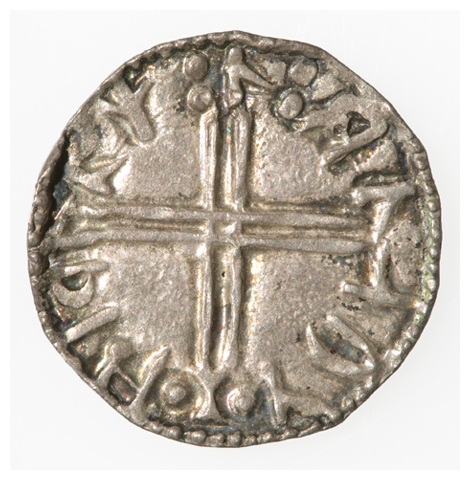
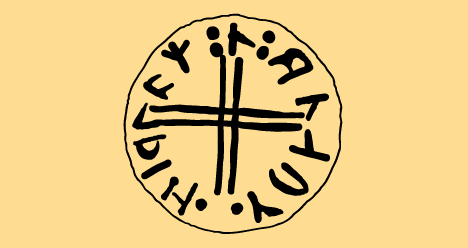
(e)‘Gunnarr owns this stamp.’
Photos of coins: Mårten Teigen © Museum of Cultural History












