Personal names are also commonly found as an addition to inscriptions containing the alphabet itself, the futhork. The alphabet and one’s own name are the first things people learn when starting to write.
Sometimes personal names were carved in an artistic way, as on three objects on the right near the back of the display: The man’s name ‘Þorgeirr’ is written with an intricate bind-rune of org (runes written together). The woman’s name ‘Ása’ is written osæ as an intricate bind-rune. The man’s name ‘Únáss’ is written as spokes in a wheel.
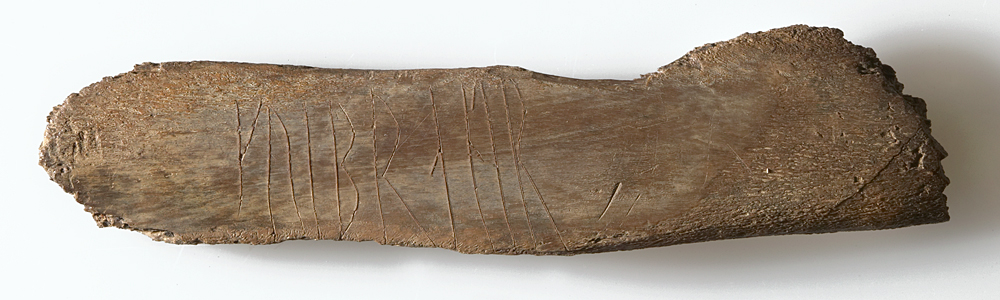
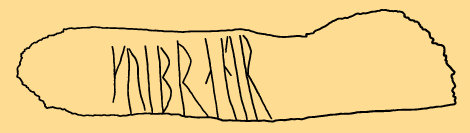
1.‘Gulbrandr/Guðbrandr[?].’ Cow rib fragment from Tønsberg. 1175–1200.
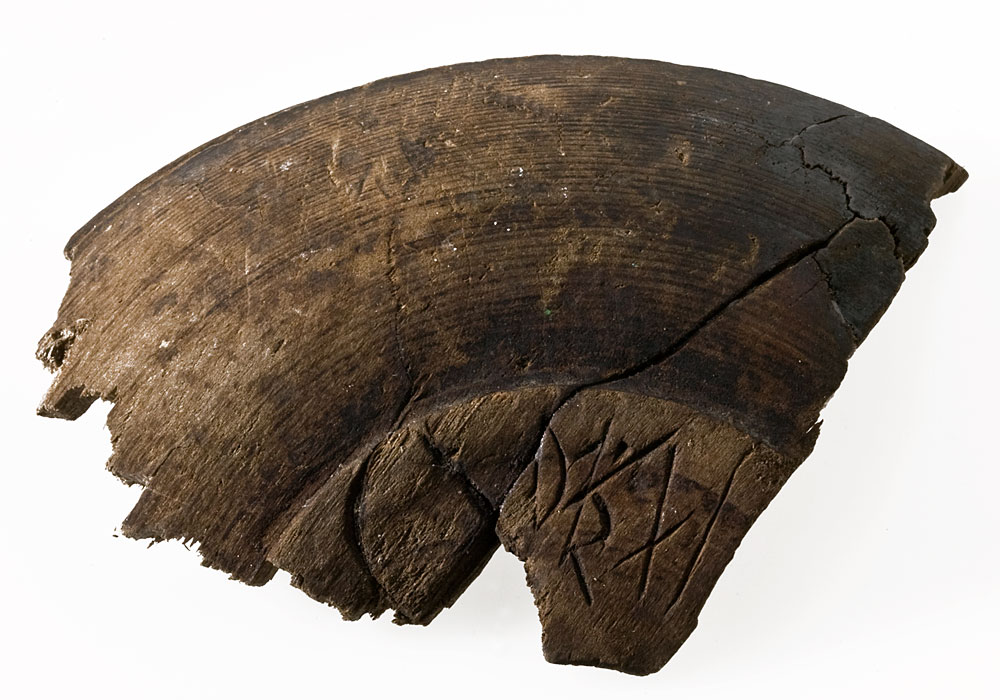
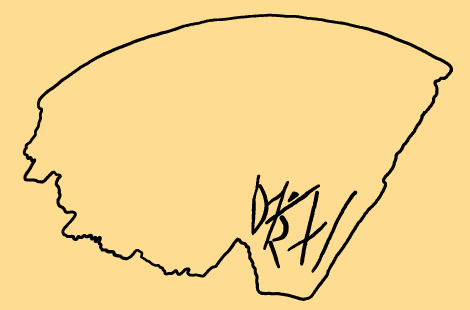
2. ‘Þorgei(rr).’ Turned wooden bowl fragment from Oslo. 1200s/1300s.
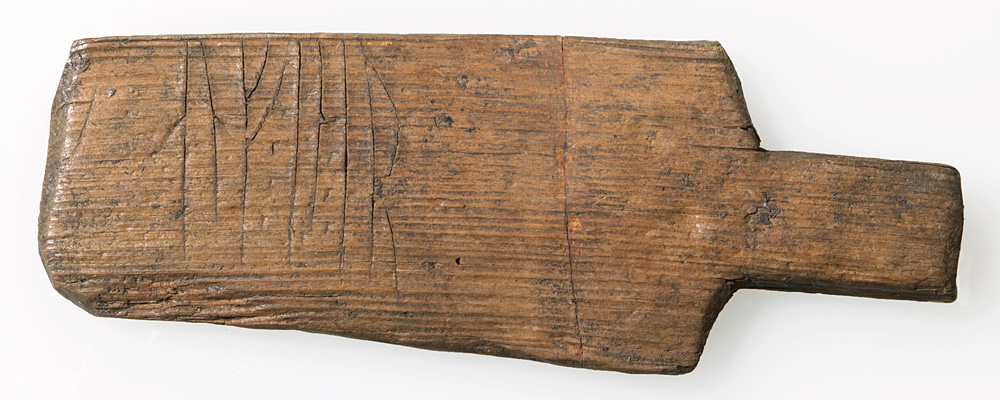
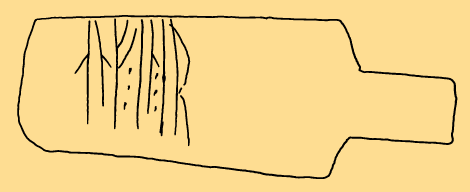
3. ‘Arnfinnr.’ Small wooden spade from Oslo. 1300s?
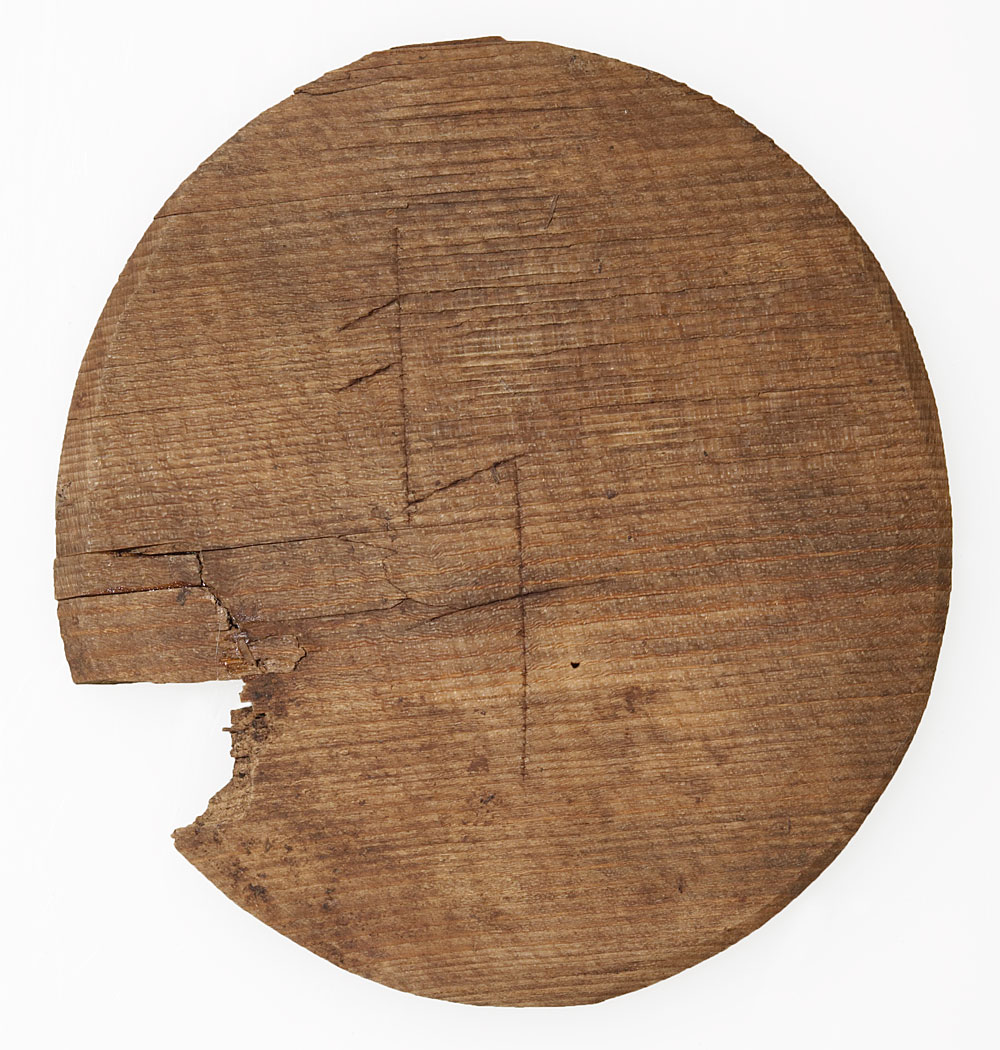
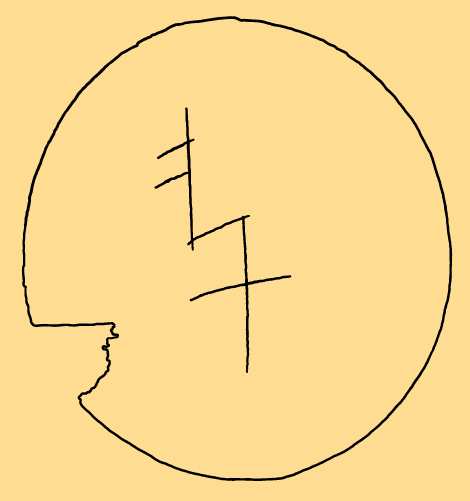
4. ‘Ása’ (as a bind-rune). Bottom of a wooden vessel from Oslo. C. 1300.
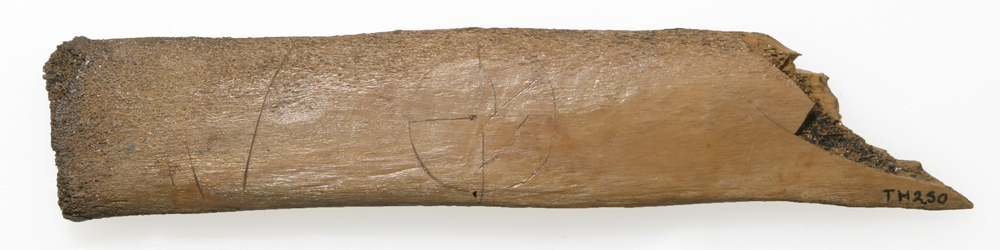
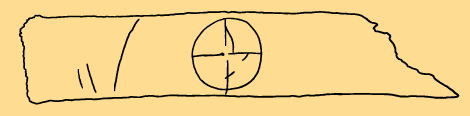
5. ‘Únáss’ (in a circle). / [‘Øl-Erlendr.’/‘Goblin.’] Rib fragment from Tønsberg. 1200–1300.
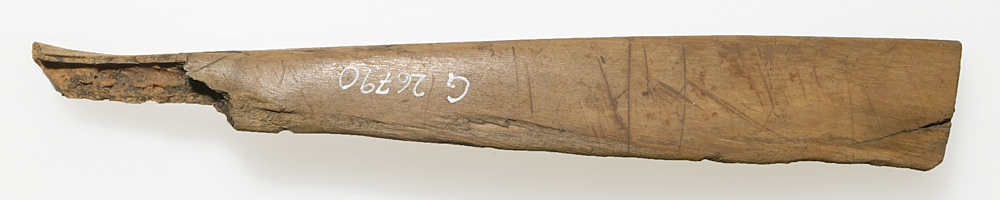

6. ‘Ása.’ Rib fragment from Oslo. 1025–1075.
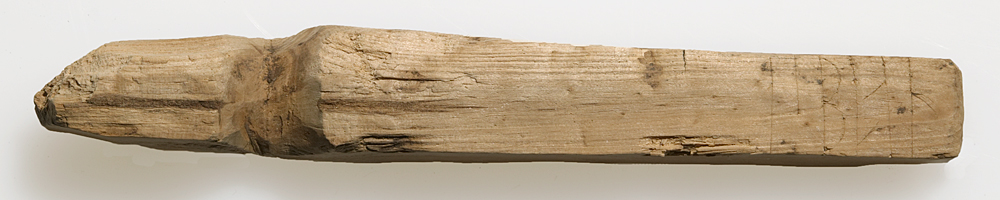

7. ‘Ásbjörn.’ Wooden peg from Tønsberg. 1300–1375.
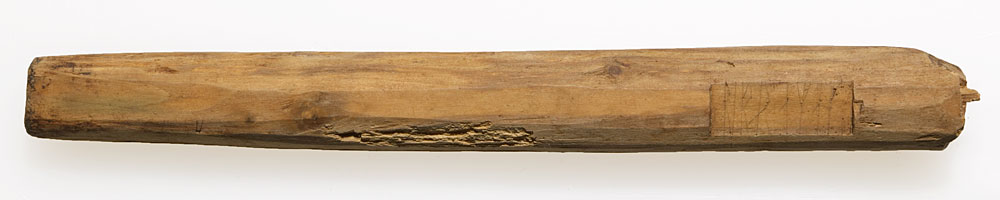

8. ‘Ríkarðr/Richard owns me.’ Round stick from Oslo. 1300–1350.
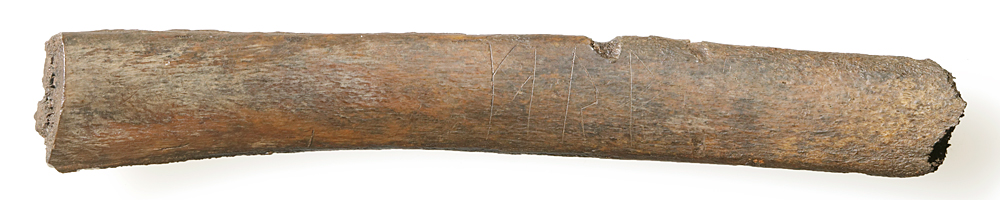
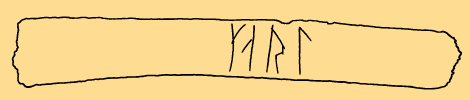
9. ‘Karl.’ Rib fragment from Oslo. 1200–1250.
All photos: Eirik Irgens Johnsen © Museum of Cultural History












