In 1955 fewer than 500 runic inscriptions were known from the Scandinavian Middle Ages in all of Norway, most of them from churches. After the excavations in Bergen, the number had more than doubled. This shows that the runic writing system was widely used in medieval towns in Norway.
Subsequent excavations in Bergen and other medieval towns have unearthed many more runic inscriptions. Several rune-sticks from Bergen and Trondheim are business messages or tags for merchandise.
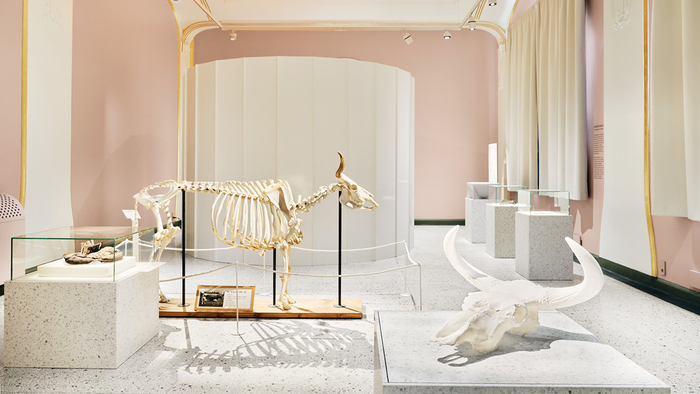
This display shows a variety of objects with runes from medieval Oslo and Tønsberg. The inscriptions consist for the most part of names, the runic alphabet and religious words. In front at the right we see the only merchant’s inscription from Tønsberg. The inscription reads: ‘six (marks) and (one) ounce’, which refers to either weight or value.


1. ‘fuþo’ (beginning of runic alphabet). Wooden wheel from Oslo. 1200–1300.


2. ‘ssþlrþnmrssrænissk’ (incomprehensible, coded runes?). Cow rib from Tønsberg. 1250–1300.
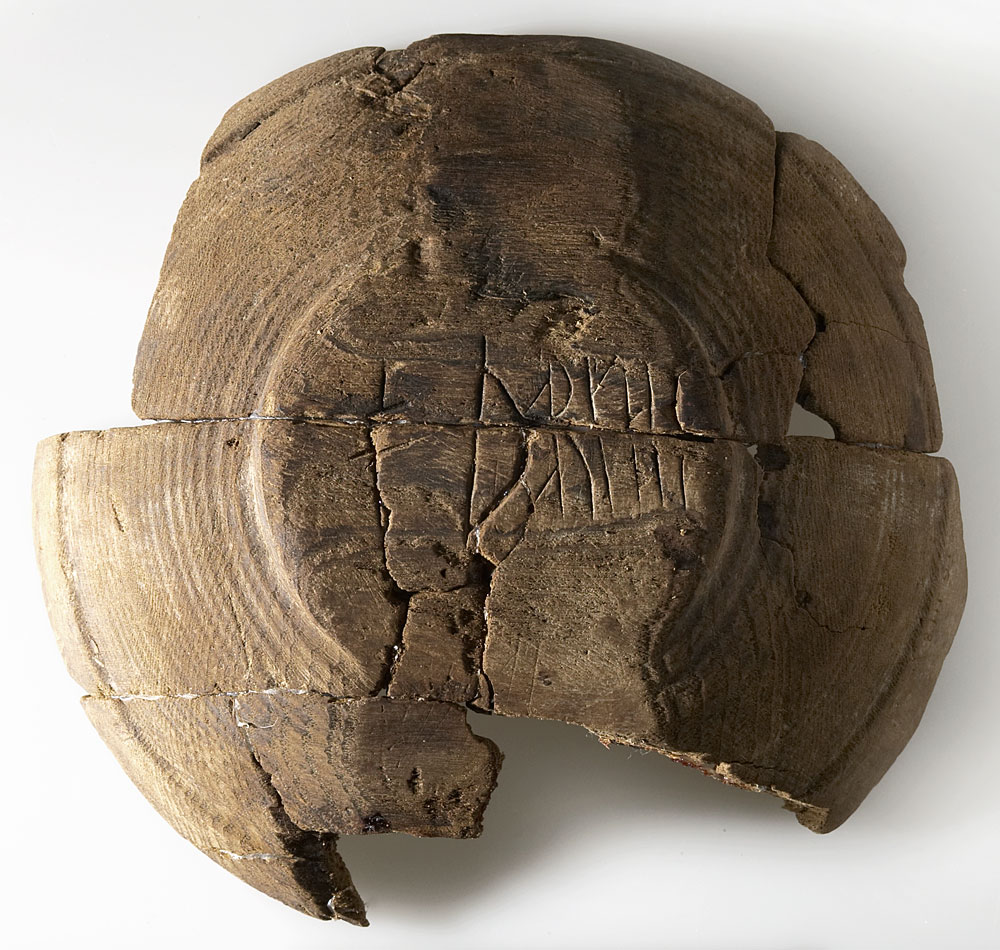
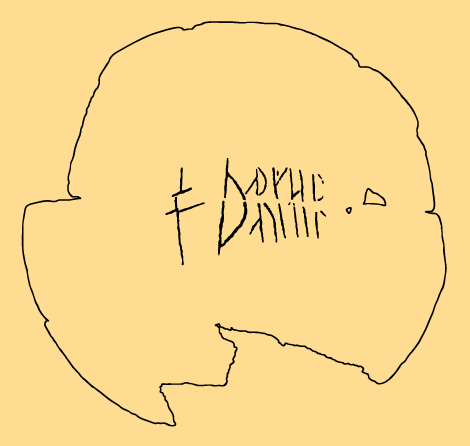
3. ‘ø Þorgeirr.’ Turned wooden bowl from Tønsberg. 1375–1450.
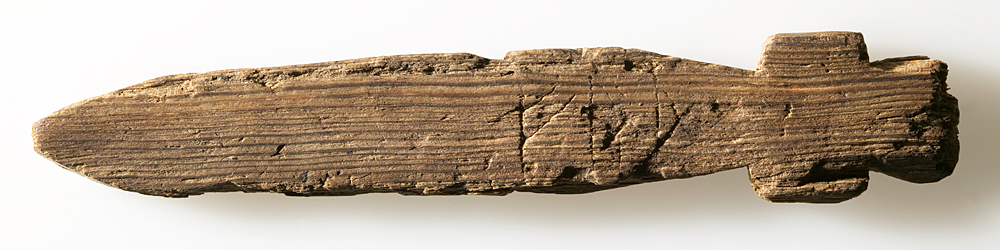
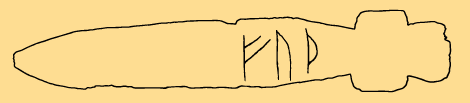
4. ‘fuþ’ (beginning of the runic alphabet?). Cross-shaped piece of wood from Oslo. C. 1250.
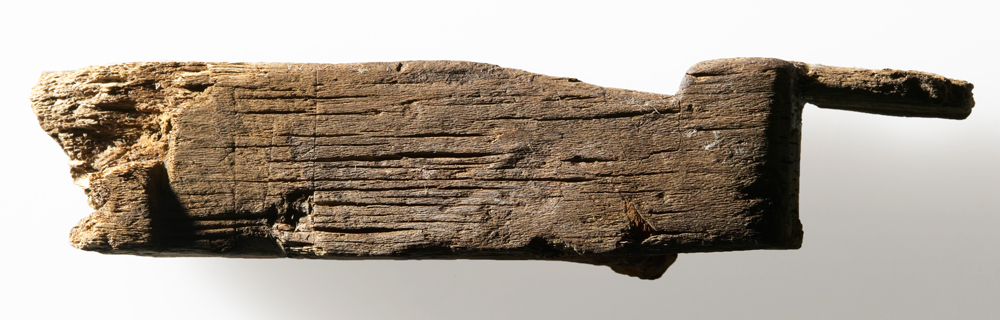
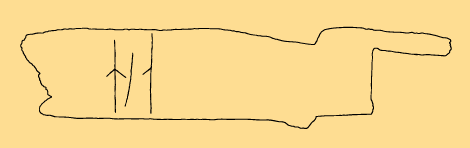
5. ‘Arni owns.’ Carpenter’s plane from Tønsberg. 1250–1300.
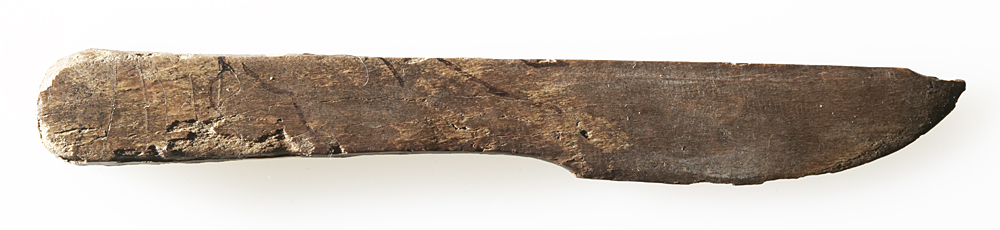
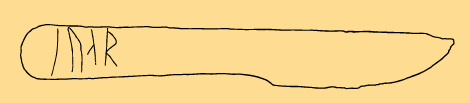
6. ‘Ívarr.’ Bone knife from Oslo. 1250–1300.


7. ‘Ave.’ Wooden crucifix from Tønsberg. C. 1250.
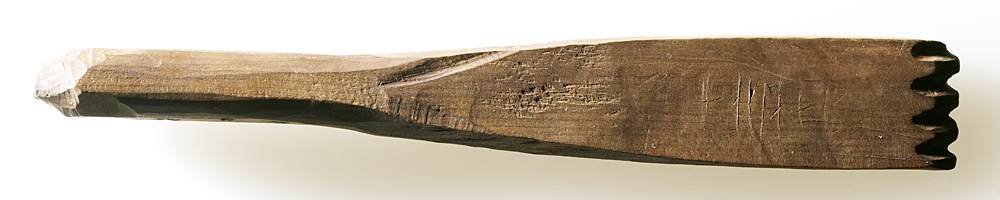
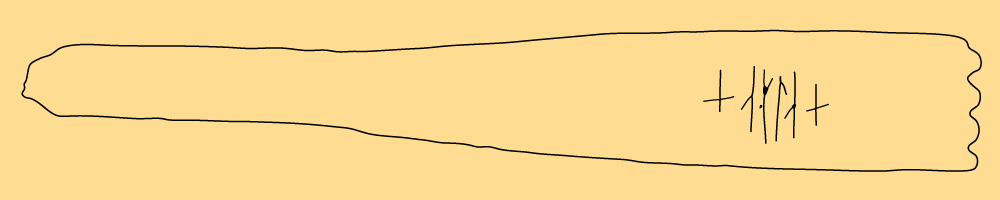
8. ‘+ AGLA +’ (powerful religious word). Wooden spatula(?) from Tønsberg. 1200s/1300s.
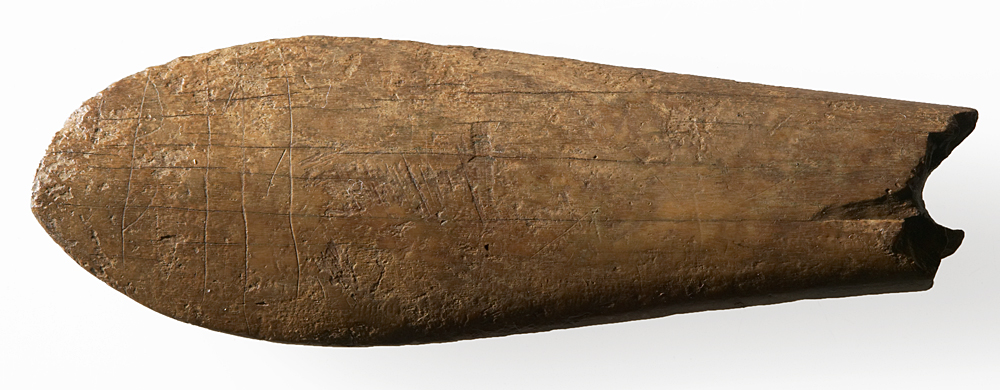
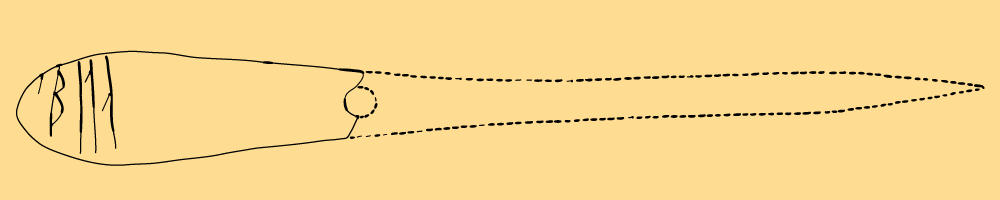
9. ‘Needle.’ Bone needle (fragment) from Oslo. C. 1100.
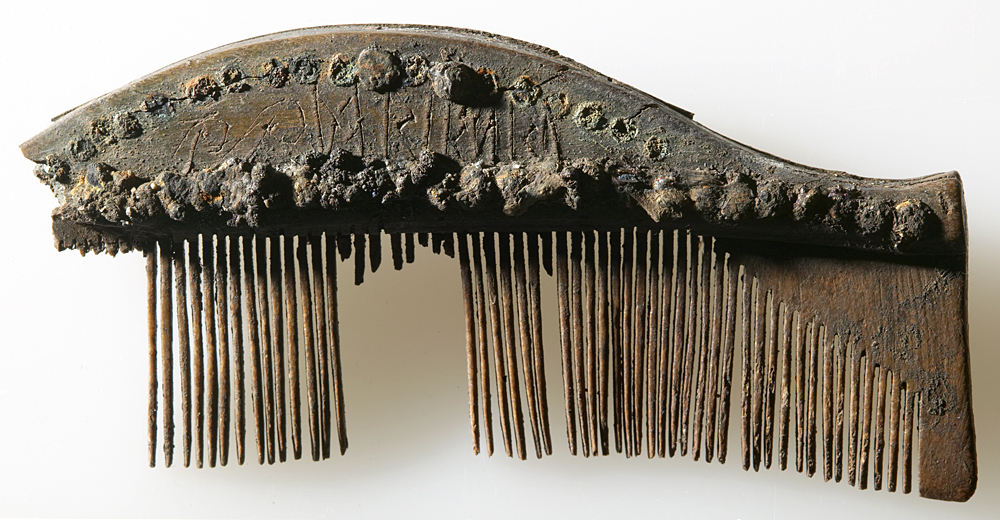
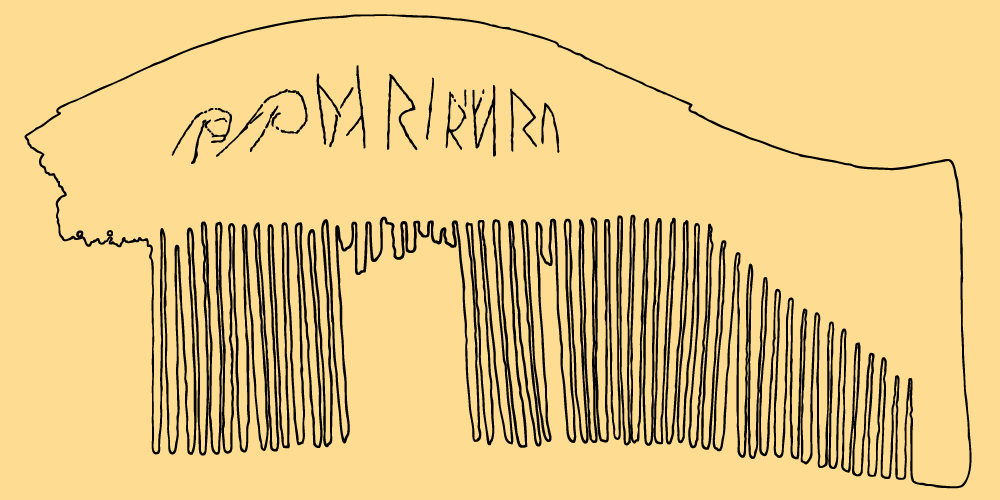
10. ‘Þórir. ???.’ Comb of bone from Oslo. 1100–1125.


11. ‘Six (marks) and (one) ounce.’ Merchant’s stick from Tønsberg. 1200s?
All photos: Eirik Irgens Johnsen © Museum of Cultural History